
The 2026 WNBA Finals between the Atlanta Dream and Golden State Valkyries was a massive spectacle. Off the court, though, it’s a definitive call to action for WNBA scheduling priority.
For both Atlanta and Golden State, there used to be a massive difference in the types of stadiums they played in. The Valkyries play all their home games at Chase Center, the same arena that houses the Golden State Warriors. The Dream, however, played their home games at Gateway Center Arena from 2021 up till the 2026 regular season before signing a multi-year agreement to transition to State Farm Arena.
This move may seem like a step in the right direction, as Gateway Center can only seat 3,500 people compared to nearly 17,000 at State Farm Arena. Sharing a larger venue to draw in more fans for home games means nothing if the Dream has to jump through hoops to use the arena for its games.
WNBA Scheduling Priority: Atlanta’s Finals Nightmare
This was clearly the problem when Atlanta’s first trip to the finals since 2013 became a logistical nightmare. Between having Game 3 moved up a full day and Game 4 starting two and a half hours early, it was already frustrating for everyone in Atlanta. The boiling point, however, was Game 6, as tip-off got rescheduled from 8 PM to 12:30 PM so the Atlanta Hawks could play their night game against the Cleveland Cavaliers.
The Dream’s ownership group noted in an open letter that their scheduling concerns went unheeded months in advance of the finals. They also made it clear to fans that a midday weekday tipoff was not what they fought for. Despite Game 6 being a sellout, the rescheduling caused headaches when the game was suddenly moved to early afternoon for East Coast viewers and morning for fans on the West Coast. What could’ve been the championship-winning game for the Dream was stripped of its prime-time status, and they had to accommodate the Hawks’ schedule.
The Cost of Sharing An Arena
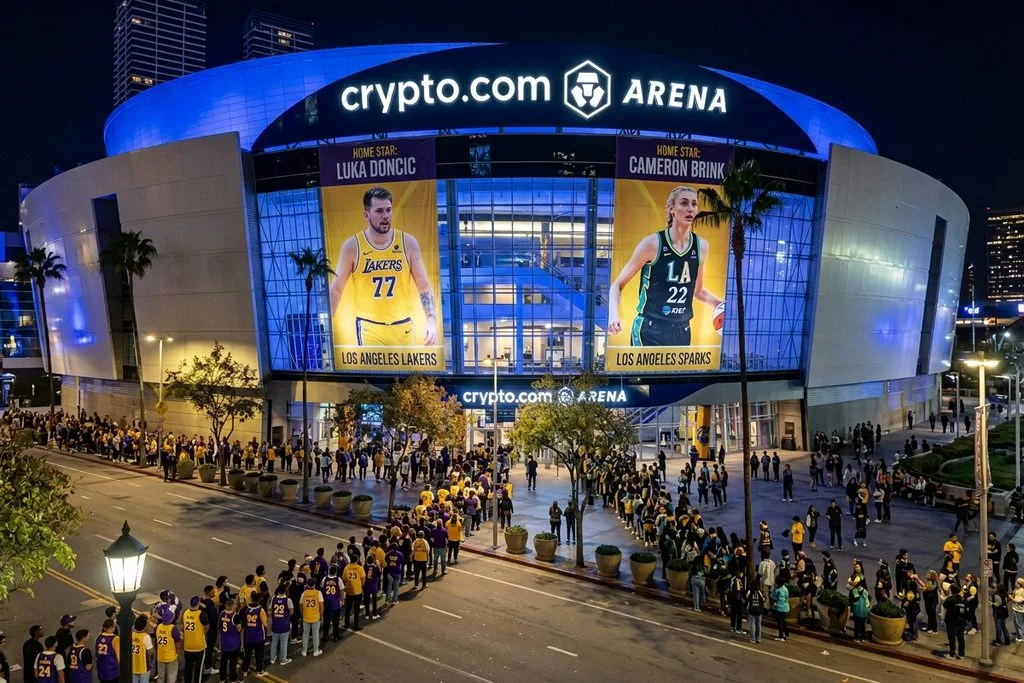
That’s the fundamental problem when a professional team decides where to play. Should they take on the massive costs of building their own stadium or use an already-existing one by another team and pay rent? The financial convenience of sharing a stadium shouldn’t come at the cost of scheduling inconveniences like Atlanta’s.
This neglect contradicts the improvements that the WNBA recently made in its last Collective Bargaining Agreement. Higher salaries for players and charter flight mandates are important steps to enhance play in the league, but now the WNBA needs to step it up further. Teams need to know that their home stadiums will be available for them to use whenever their schedules call for a home game.
The Valkyries Show What’s Possible
The Valkyries’ situation offers an example of what the future of the WNBA should be. A Doja Cat concert was originally scheduled for the same night as Game 2, but instead of the game getting rescheduled, it was the concert. For Game 5, the Valkyries had Chase Center available, as the Warriors were away in Denver for their game that day. The decision to reschedule the concert shows WNBA teams that they don’t have to be the ones to accept last-minute scheduling accommodations.
WNBA teams don’t need their own stadium to ensure no scheduling conflicts. The Dream’s Finals experience, however, is a wake-up call that teams can’t keep their fingers crossed for accommodations. Scheduling priority needs to be guaranteed and not negotiated when a team makes it to the championship series.