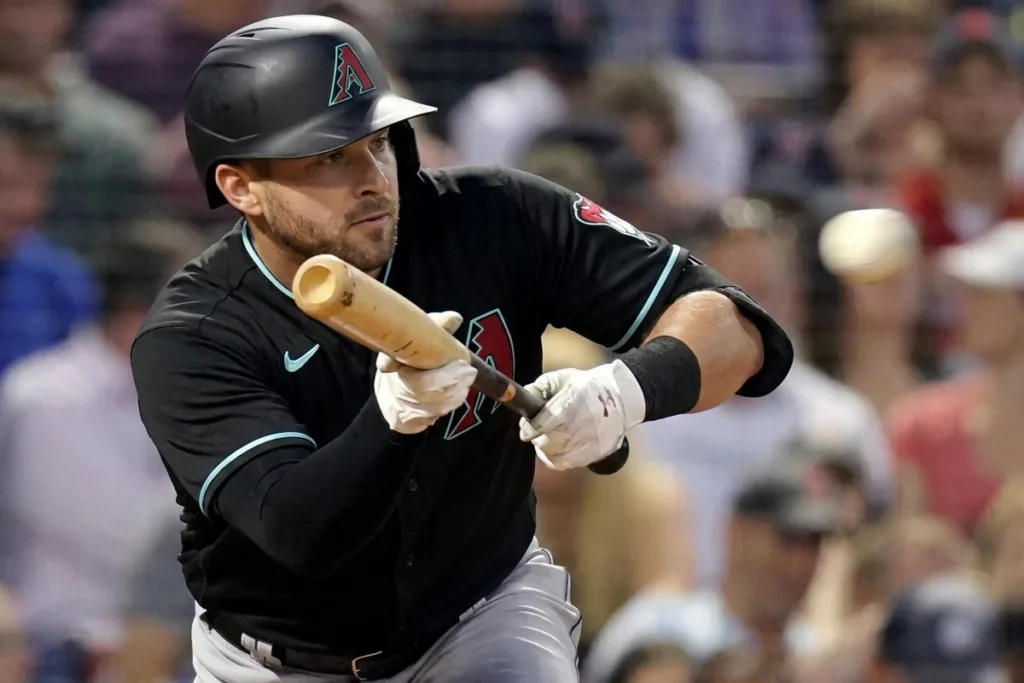
On Sunday, August 2, 2026, in a game between the Arizona Diamondbacks and Cleveland Guardians, history was trying to be made, and at least one person didn’t want that. Guardians pitcher Gavin Williams had thrown five perfect innings, and when the Diamondbacks’ number seven hitter led off the sixth inning, a Tim Tawa bunt was attempted to put a stop to the perfection. The bunt went foul, and the next pitch, he hit a single to right field.
Though he successfully ruined the perfect game, questions arose about his bunt attempt, tempers flared during the rain delay, and a conversation has grown louder about baseball’s “unwritten” rules. Anyone who follows the game closely knows that baseball has more unwritten rules than actual written ones. “Don’t steal signs” has gotten a bit of attention over the years, even though it’s perfectly legal to do.
Another unwritten rule is not to pimp home runs, or admire the long ball excessively before trotting the bases. This one has been bent to the limits, and could possibly be broken, though (Thanks Fernando Tatis Jr). Tawa broke one of the cardinal rules, which is that a player should not bunt to break up a no-hitter or perfect game. He won’t get fined or punished by the league, but he will take a fastball to the rib cage for it. The question about the play being asked is: was the bunt right to do, wrong to do, or just plain cowardly?
The Tim Tawa Bunt Was An Attempt To Win The Game
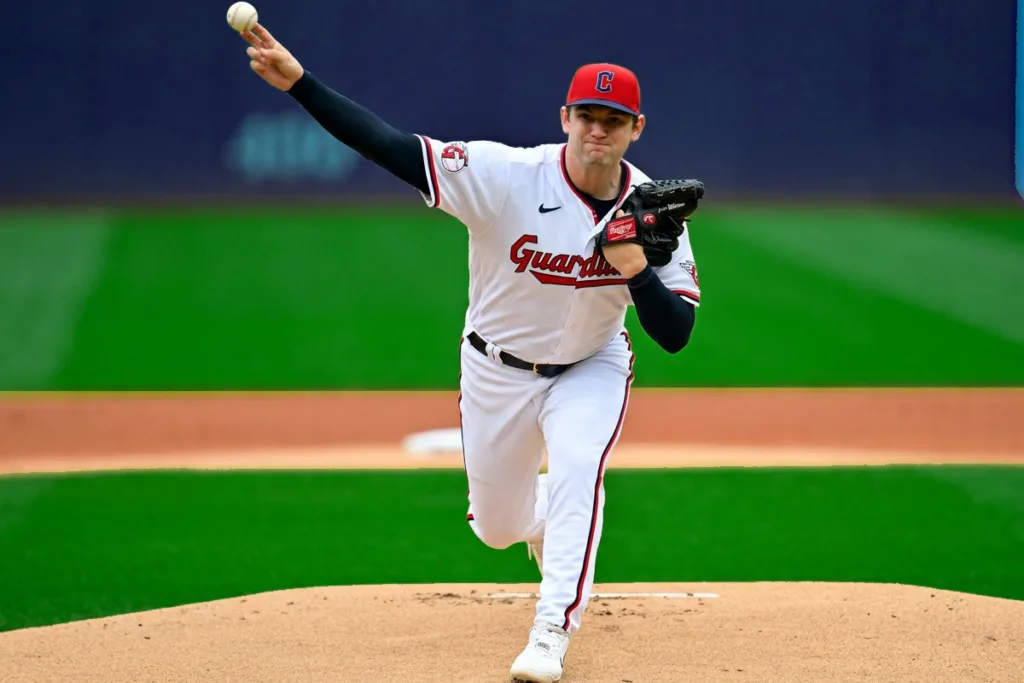
One argument being made is that teams and players are there for one reason, and that is to win ball games. Just because the pitcher is throwing a perfect game doesn’t mean the team he’s facing needs to wave the white towel. This is technically true, but how would a bunt win the game when the team was down 4-0? Was the four-point bunt instituted by Rob Manfred when the world was sleeping, and only Tawa knew about it?
Even if the bunt had not gone foul, and Tawa had ended up safe on the bag, would that have changed the outcome of the game? He did get a single, and it didn’t help the team. The reality is most likely that he was OK with the Diamondbacks losing 15-0 and getting one-hit by Williams, as long as that hit was his. His intentions were clearly those of selfishness.
It Was The Act Of A Coward
On the August 4th episode of the Lights Out Sports Podcast, hosts Michael Ballentine and Cheez discussed the matter, with Cheez speaking at length about it. He said that he would not let a pitcher no-hit his team or throw a perfect game against his team. Do whatever it takes to break that thing up, and that it was a lesson he’d teach little leaguers (you can hear his statements in the video below, starting at the 1 hour and 4 minute mark).
Ballentine agreed with his co-host, and while it’s understandable that getting no-hit is a shot to a person’s pride, and people should protect their pride at all costs, how proud does a player have to be to think he has no shot swinging the bat? As Tawa stepped into the box, his thought process had to be that he had a better chance of getting a hit by bunting than by swinging the bat. In other words, he thought, “I’m not good enough to get a hit”, and took the coward’s way out.
It’s all about respect. It’s about players putting in their best effort, and may the better player win. It’s not about taking shortcuts when outgunned. This was about a win-at-all-costs mentality that is sickening and poisons the human soul. The win Tawa was seeking wasn’t an actual win, but avoiding embarrassment for one night. By sidestepping that, he’s embarrassed himself for the rest of his life, not just his playing career.
There is some grey area for sure. If a pitcher is perfect through one inning, does that qualify as a perfect game bid? How about two innings? There is no definitive answer, because this isn’t an actual rule. The top of the sixth is more than halfway through the game, though, which certainly qualifies. In the movie For Love Of The Game, Kevin Costner’s character, Billy Chapel, is throwing a perfect game against the New York Yankees. In the seventh inning, with two out, Sam Tuttle lays down a bunt and gets thrown out.
Throughout the film, when pictured, Tuttle is portrayed as a bad guy, a cheapskate, a loser. His bunt in the seventh solidifies and confirms the notion. Tawa’s bunt in the top of the sixth solidified that the same is true about him.