College sports have been sprinting toward a breaking point, and the Protect College Sports Act is the state capitals’ attempt to slam on the brakes. The transfer portal has turned roster management into a year-round scramble, NIL has reshaped the recruiting economy, and eligibility rules have stretched into a maze of loopholes. Now, lawmakers are stepping in, and the transfer portal is the first impactful change.
Athletes get a one penalty-free transfer. The NCAA’s rulebook allows athletes to bypass the portal window for a second transfer if they fall under one of its exceptions: a coaching change, sexual assault or harassment by a school employee, graduation, or a program being cut. In those cases, the usual one‑year penalty doesn’t apply.
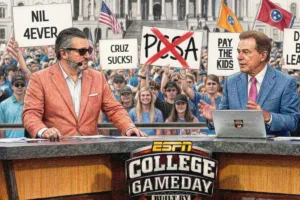
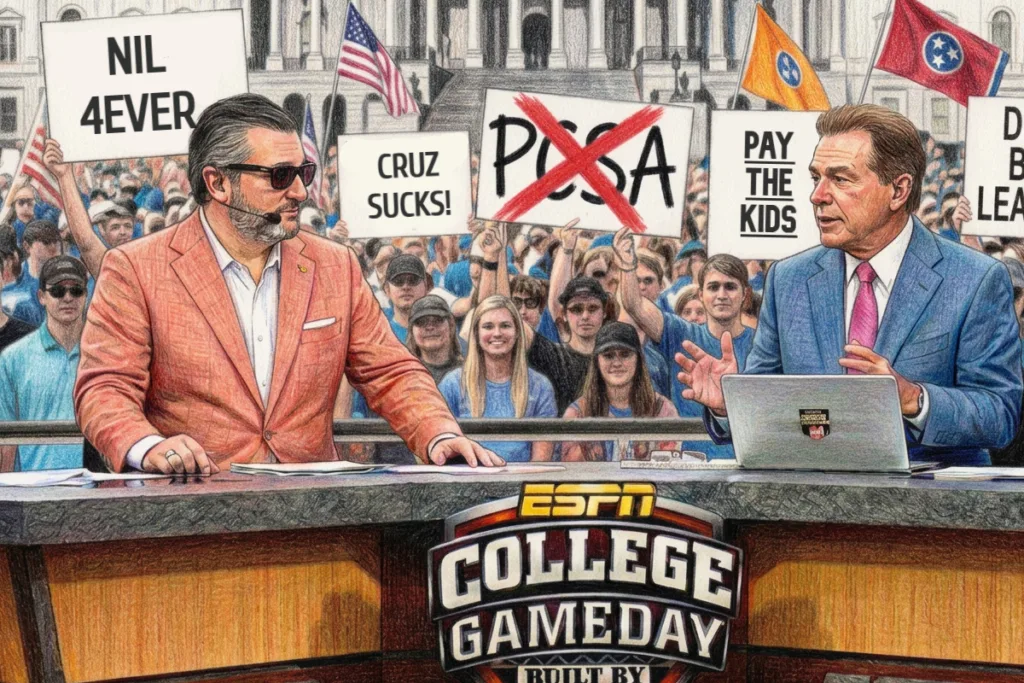
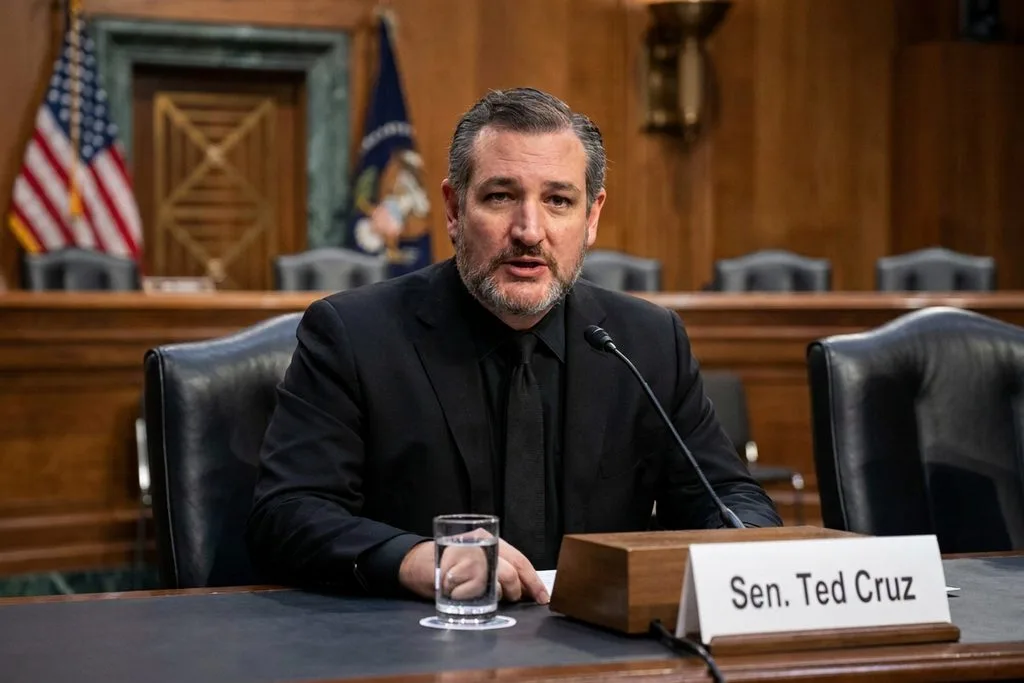
Texas Senator Ted Cruz didn’t beat around the bush regarding the portal’s current state. “There are no rules, and the situation with the transfer portal, where kids go and transfer two, three, four, five times, it’s terrible for the game. It’s terrible for the players. It’s terrible for the schools, and it’s terrible for the families,” Cruz said on College GameDay, on Sept. 12. He added that Congress helped create this chaos through antitrust rulings.
The senator recently issued one of the starkest warnings yet about where college athletics is headed if Congress doesn’t act. He argued that without the Protect College Sports Act, the next five years could leave football and other sports “unrecognizable.” His comments underscore the urgency driving this legislation.
Cruz’s biggest concerns revolve around two pillars: transfer rules and eligibility limits. Under the Act, athletes would receive one free transfer, five total years of eligibility, and a hard cutoff at age 24. Cruz believes these guardrails, paired with a more regulated NIL landscape, are essential to preserving football, basketball, women’s sports, and Olympic sports.
Ross Dellenger, a senior college football writer, said the bill’s five-year eligibility standard applies to pending lawsuits from athletes seeking six-plus years, such as Ole Miss quarterback Trinidad Chambliss. That said, he clarified the provision isn’t designed to affect Chambliss’ eligibility.
Here’s the skeptics’ main gripe: big-money outsiders are shaping the future of college athletics. Cody Campbell, a billionaire oil tycoon, booster, and board of regents member for Texas Tech, donated a minimum of $26 million to Texas Tech University athletics and the school’s NIL collective.
In today’s college sports landscape, athletes are the ones living the consequences. Jumping from school to school doesn’t always help their growth.
Bruce Feldman, The Athletic’s national college football insider, weighed in back in April with an article titled “Why NFL coaches think the transfer portal is killing prospect development.”
“With all these kids that transfer, what I’m finding out now is all this (transferring) is starting to affect the NFL because these kids are clowns,” said an NFL receivers coach and former college assistant. “The schools don’t know who they are getting because the transfer portal process is like a 10-day speed dating thing. You don’t know who the kid is, and you can’t ask his prior school because you’re stealing him from them.”
Protect College Sports Act Ensures It’s No Longer The Wild West In College Sports
The Protect College Sports Act of 2026 bulldozed through a 74-24 procedural Senate vote on Sept. 15. The bipartisan bill aims to impose national standards on college sports.
The PCSA then took a significant step forward Thursday, Sept. 17, when lawmakers voted 77-22 to advance the measure to the Senate floor, where the real debate will begin next week, Wednesday or Thursday, for a final vote.
Gonzaga Bulldogs head basketball coach Mark Few stepped forward in support of the Protect College Sports Act, noting, “You can sense the desperation in people’s voices. We really need help. This bill might not be perfect, but it’s far and far away the best thing we’ve got out there right now.”
The bipartisan coalition pushing this proposal hasn’t exactly been shy about its optimism. For weeks, its members have pointed to the latest eligibility dust‑ups and compensation flare‑outs in college football and basketball as proof that the current “wild west” model of college athletics is no longer sustainable.
Their sweeping measure would hand the NCAA and its member schools a carefully carved slice of antitrust protection, safeguarding them from the growing lawsuits tied to the transfer portal, revenue-sharing debates, and the expanding universe of name, image, and likeness deals. In other words, it’s an attempt to bring order, or at least a rulebook.
The PCSA rolls back NIL and shifts toward structure and institutional stability. Cruz believes the legislation could reach President Donald Trump’s desk and be signed into law before the Nov. 3 midterm election, noting Trump’s support for the Protect College Sports Act.