The college football landscape has changed drastically in recent years. The transfer portal, NIL, revenue sharing, and countless legal battles against NCAA rules have transformed how players can move between programs and remain in the sport.
It always seemed fairly simple: once a player leaves the NCAA for the NFL, they don’t get to come back. That philosophy is now being tested.
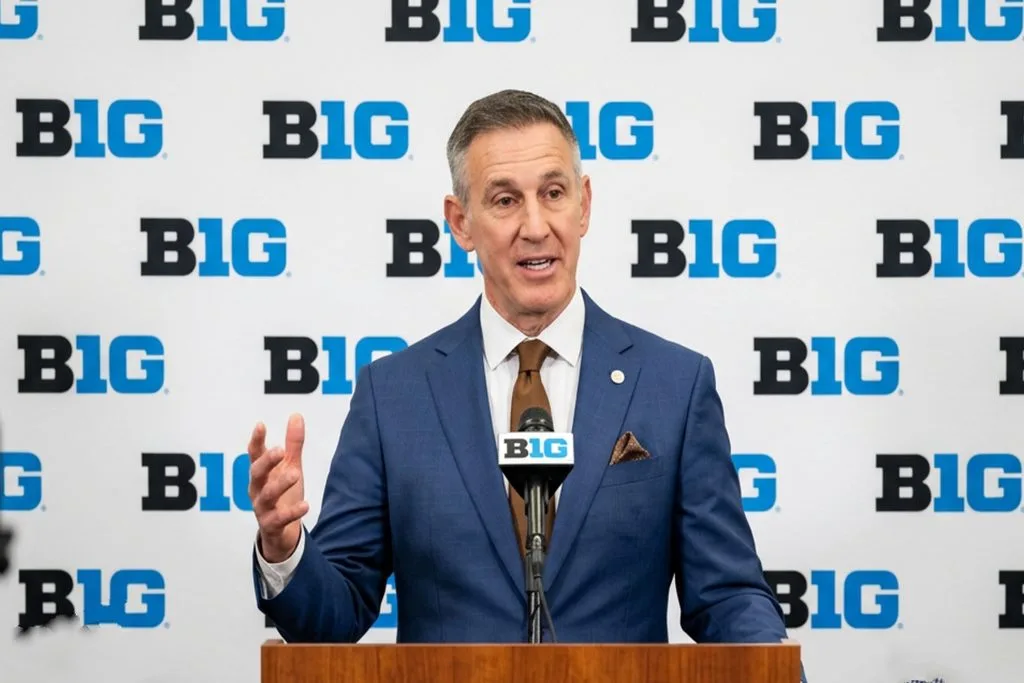
The Big Ten is taking action to prevent players with NFL experience from returning to play for conference schools; the SEC also followed suit. The rule would make players ineligible for a Big Ten roster if they declared for the NFL Draft, appeared on an NFL roster, or signed a contract with a professional league.
This decision by the Big Ten and SEC is the right one. There needs to be a clear distinction between college and professional football. Once a player takes their talents to the NFL, that should be where their college career ends. The problem is that one conference drawing that line doesn’t mean much if everyone else continues recruiting these players.
How Did It Come To This Point?
The idea of an NFL player returning to college football would have sounded ridiculous not long ago. A recent NCAA eligibility change allows Division I athletes to play five seasons within five years. That change created controversy because athletes from the 2022 high school class didn’t initially get the same opportunity, which led to lawsuits challenging the NCAA’s restrictions.
These challenges produced different outcomes across the country. A Louisiana court issued a temporary restraining order preventing the NCAA from enforcing eligibility restrictions against a group of athletes, including players who had turned pro.
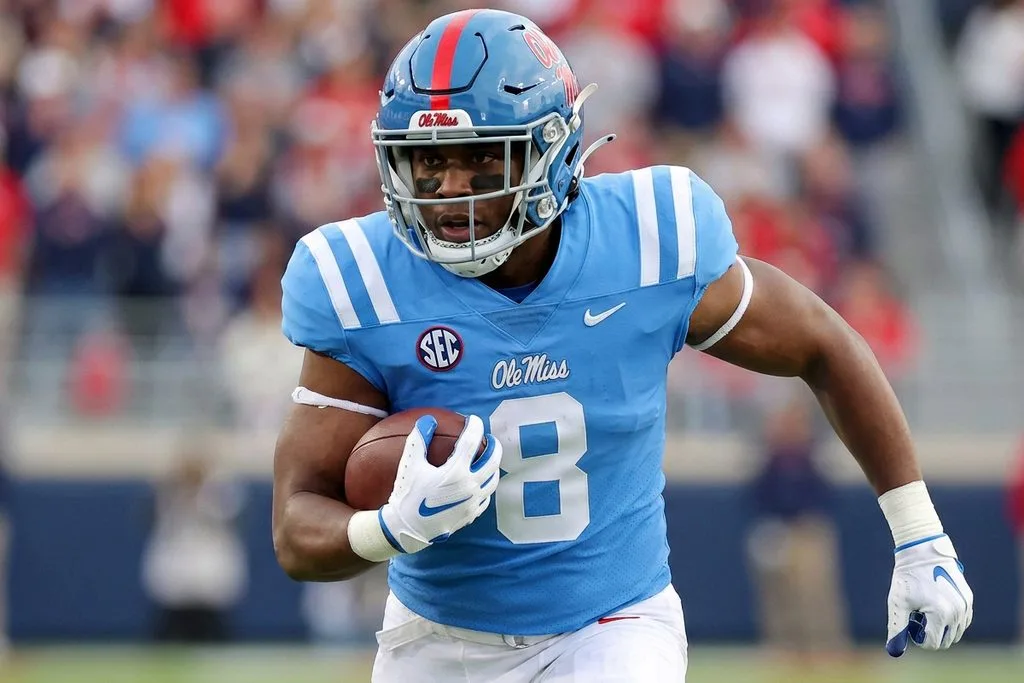
Former Ole Miss tight end Dae’Quan Wright became the clearest example. After going undrafted in 2026, he spent time with the Philadelphia Eagles and Cleveland Browns, getting some playing time in a preseason game before being waived. Instead of continuing to pursue an NFL career, Wright planned to go back to college at LSU for another season.
Former Ole Miss defensive lineman Zxavian Harris found himself in a similar situation after spending time with the New Orleans Saints. LSU head coach Lane Kiffin was quick to add both players to his roster. He made the acquisitions seem normal, arguing that if LSU didn’t sign them, they’d just end up playing against them.
For decades, situations like these would have been impossible to imagine. Now conferences are having to write rules specifically designed to stop them.
The Big Ten And SEC Are Right To Draw A Line
College athletics have changed so much in recent years that they are practically unrecognizable. Many of those changes have benefited players. Athletes can transfer more freely, earn money through NIL, and receive direct compensation through revenue sharing, but increased freedom for players doesn’t mean there aren’t boundaries.
Once a player enters a professional league, his or her college eligibility should be over. There is a difference between a fifth-year athlete returning for another season and someone spending the offseason inside an NFL organization.
Even players who don’t end up making an NFL roster still have the opportunity to train with and against NFL players and get professional coaching. This doesn’t mean the players did anything wrong by pursuing a professional opportunity; they did exactly what most college athletes dream of doing. Making the decision to turn pro should represent the end of one stage of a career and the beginning of another.
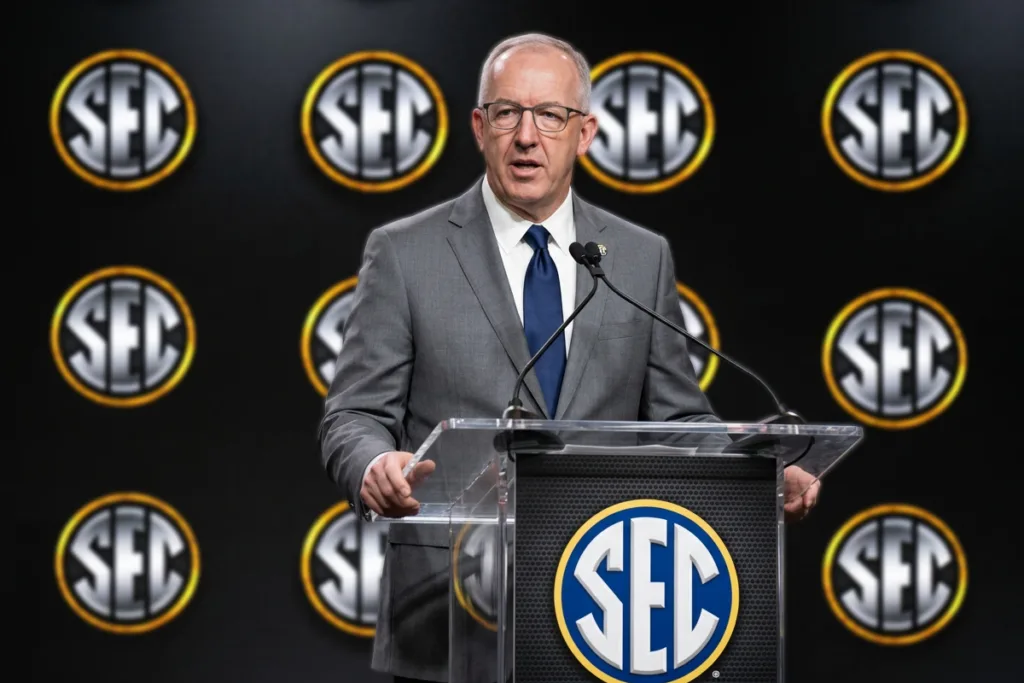
SEC commissioner Greg Sankey made a similar argument before the conference created its new policy. In a court filing, he argued that allowing former professional athletes to return creates a competitive disadvantage for those who don’t choose to pursue professional careers.
This makes sense; there should be a point when college eligibility ends. Signing a professional contract is a reasonable place to start.
The SEC Joining The Big Ten Changes the Conversation
When the Big Ten initially planned not to allow NFL players to return, there was an obvious problem with the conference acting alone. If the SEC, ACC, or Big 12 programs could add those players while the Big Ten couldn’t, the rule could put the conference at a competitive disadvantage. The SEC’s decision Tuesday changes that significantly.
The two conferences include 34 schools, many of which are the biggest programs in college athletics. Having both take the same position sends a much stronger message than either conference acting independently.
The SEC also extended the conversation beyond football. Its policy prevents athletes from returning to SEC rosters if they failed to withdraw from the NFL, NBA, or WNBA drafts, signed contracts with any professional team, or appeared on any rosters. SEC commissioner Sankey enforced the policy and will determine penalties for schools that violate it.
There is no longer just a Big Ten response to the strange eligibility case; two of the most powerful conferences in college sports are saying there needs to be a line drawn between college and professional competition. This is a significant change, but still not enough.
College Sports Still Need One Standard
Although the Big Ten and SEC have agreed on establishing a clear boundary, it doesn’t make it a national rule. The Big 12 and ACC are expected to discuss their response and restrictions to the issue. Until every major conference is operating under the same standard, questions about competitive balance remain unanswered.
If a player who signs an NFL contract, gets released, and receives another year of eligibility through the courts, he can’t play at a Big Ten school; he can’t play at an SEC school, but what if another conference still allows him to play? What’s stopping him from transferring there?
A world where college football has different eligibility standards by conference would be even more confusing than it already is. There are massive differences in NIL resources and revenue sharing already; conference-specific eligibility rules would only create more confusion.
The NCAA’s continued legal battles make establishing a nationwide rule easier said than done. Recent cases have shown how difficult it has become for college sports’ governing body to enforce rules that survive litigation. That doesn’t make a consistent standard any less necessary.
Players deserve to know exactly when their eligibility ends. Coaches deserve to know which athletes they can plan to have on their roster and recruit. Conferences shouldn’t have to create emergency policies weeks before the season because the national rules are unclear. Most importantly, the same rules should apply whether a player wants to go to Michigan, LSU, Clemson, or Texas Tech.
Players should be able to maximize their financial opportunity through college athletics, but once that college career ends, so should that opportunity.