A new NBA free throw rule has been proposed and will be rolled out during the 2026 Summer League. It’s not new to the game of basketball, since the G-League has been using it since the 2019-20 season, but it is new to the highest level of the game. It may come as a shock to some fans, since it’s a radical reinvention, but it was all done in the name of efficiency.
Games can drag on for much longer than necessary, especially at the end, when each team uses 60% of its allotted timeouts, and in close matchups, the game becomes a non-stop foul fest. In an effort to speed things up (similar to the pitch clock in baseball), free throws will no longer be worth one point. Not all of them, anyway.
How The NBA Free Throw Rule Works
As usual, in a game, if a player is fouled while shooting, he will get a free throw attempt as a reward of sorts. In the past, if the player made their shot attempt, they would get one free throw attempt, or “and one”. If they missed their shot, they would get the same number of attempts as the points they would have earned from making the shot. Lastly, if the team was in the bonus, a non-shooting foul resulted in two shots (which is different than the one-and-one in the amateur game).
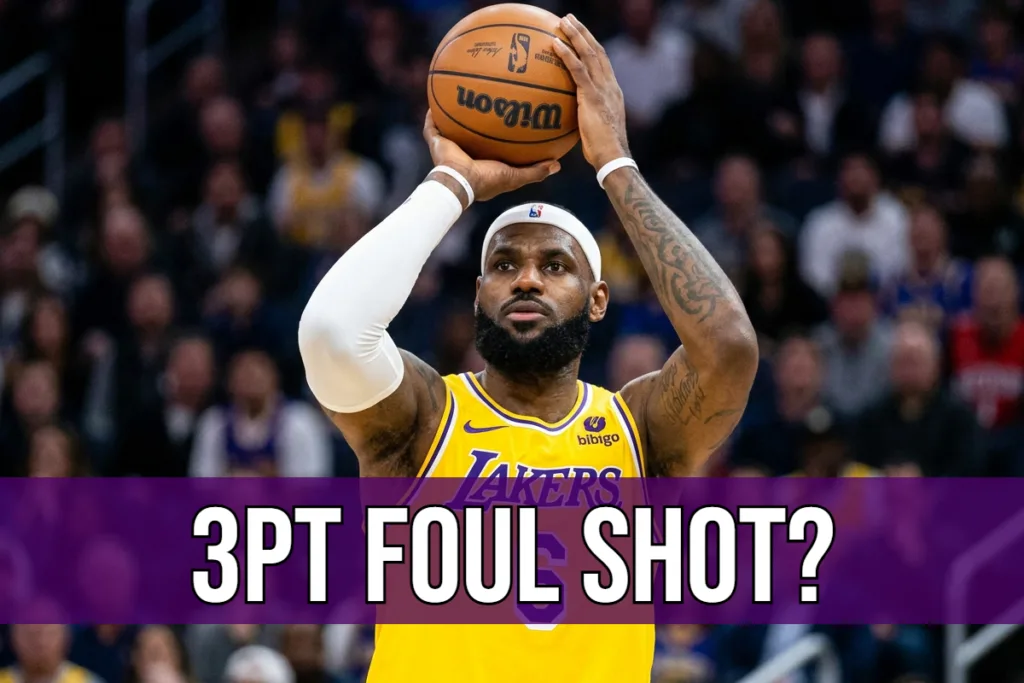
The new rule will award only one shot in every circumstance, and the point value of that shot is equal to the number of foul shots the player would have gotten under the old rule. For example, if a player is fouled during a three-point attempt that they miss, they would take one foul shot instead of three, but that one shot would be worth three points. A free throw would be worth two points for a two-point attempt or non-shooting foul when in the bonus, and and-one foul shots would still be worth one point.
The intriguing part of the new rule is the impact. While it may shave a few minutes off the overall time of the game, how will it affect scores and player production? Historically, players have made between 73 and 76 percent of their first attempts league-wide, and 79-81 percent of their second attempts. This is natural, considering the first shot is the gauge used for the second.
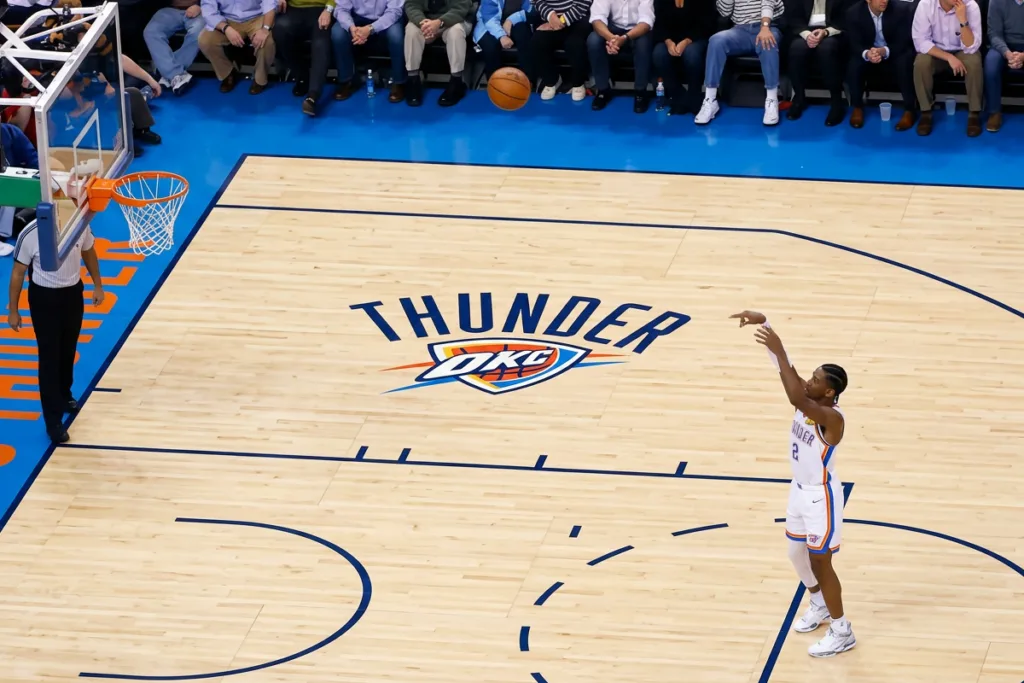
These averages fit with last season’s league-wide free throw percentage of 78%. It also reflects that a players free throw percentage on their first shot, is approxamitely 93.75% of their actual average. Last season Shai Gilgeous-Alexander led the league in free throw attempts per game (7.9). He made 87.9% of his foul shots, so free throws accounted for 6.9 of his 31.1 points per game.
If every attempt he makes going forward is his first attempt (since he won’t get follow up chances, his free throw percentage should dip to about 82.4%. Assuming he gets an average of two attempts per free throw session, this new rule would also cut his attempts in half. He would then have to apply this 82.4% to 3.95 attempts per game, making 3.25 of them at an average of two points per attempt (6.5pts).
This is true across the board. Players on average should see their scoring rop by an average of 0.4 points per game. Applyin that to ten players who get on the floor every game, and every team should see a four point per game scoring increase, and every game see an eight point dip. It may not seem like much, but the nightmare scenario is that faster games could lead the refs to call more fould to make up for it, and then the rule didn’t work at all.