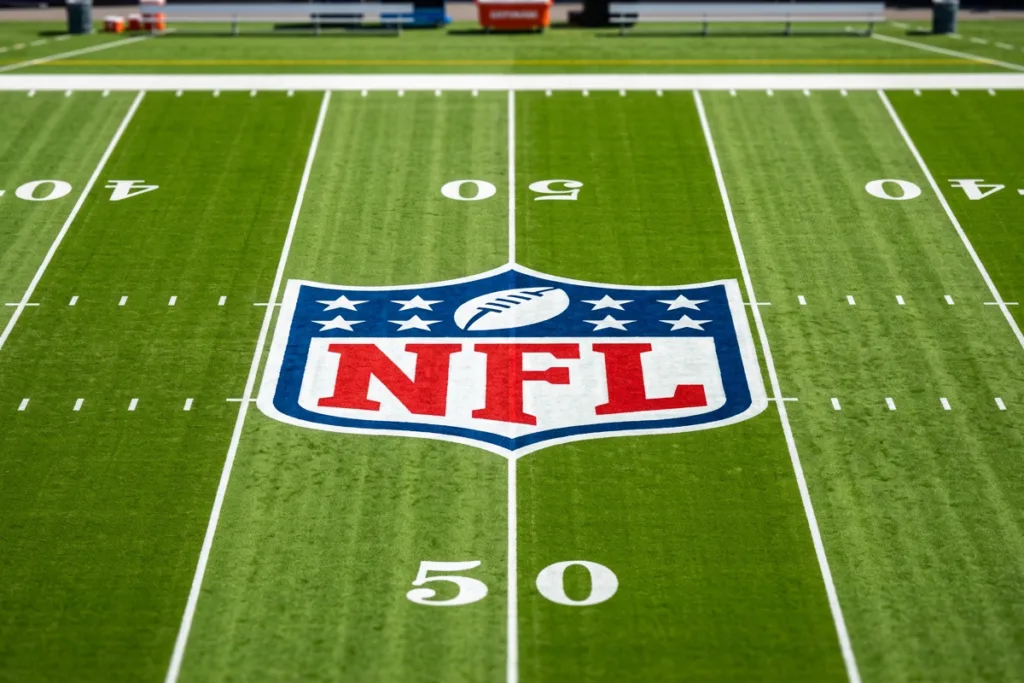
If the NFL is serious about player safety, then it’s time to mandate grass fields for all stadiums. The league currently has no policy mandating grass fields, resulting in about half the stadiums using artificial turf. Unfortunately, many players have cited serious health concerns related to these fields. With the NFL constantly hiding behind player safety as the reason for all kinds of rule changes, perhaps it should start taking the fields seriously.
George Kittle made the news this week for weighing in on the grass turf debate while at the Tight End University camp. The 32-year-old tight end stated,
“We’ve made it clear that we prefer grass fields. We know it’s better for our bodies. And clearly, we know it’s possible based on everything that went into putting down grass fields for the World Cup in each stadium. At this point, it comes down to the NFL making it a priority and choosing to invest in us as players, because our bodies are our business, which they get to capitalize on.”
Kittle’s pointed statement is only the latest in years of criticism from both the players and the NFLPA. According to the NFL Players Association, playing on turf adds a 28% higher risk of non-contact injuries to the game, including a 32% higher chance of knee injuries and a whopping 69% higher rate of non-contact foot/ankle injuries. While the NFL has used recent data over the last few years to counter the argument that the non-contact injuries are nearly identical regardless of surface, the long-term debate appears to clearly favor playing on grass.
NFL Players Should Not Be Worried About More Injuries Due To Playing Surface
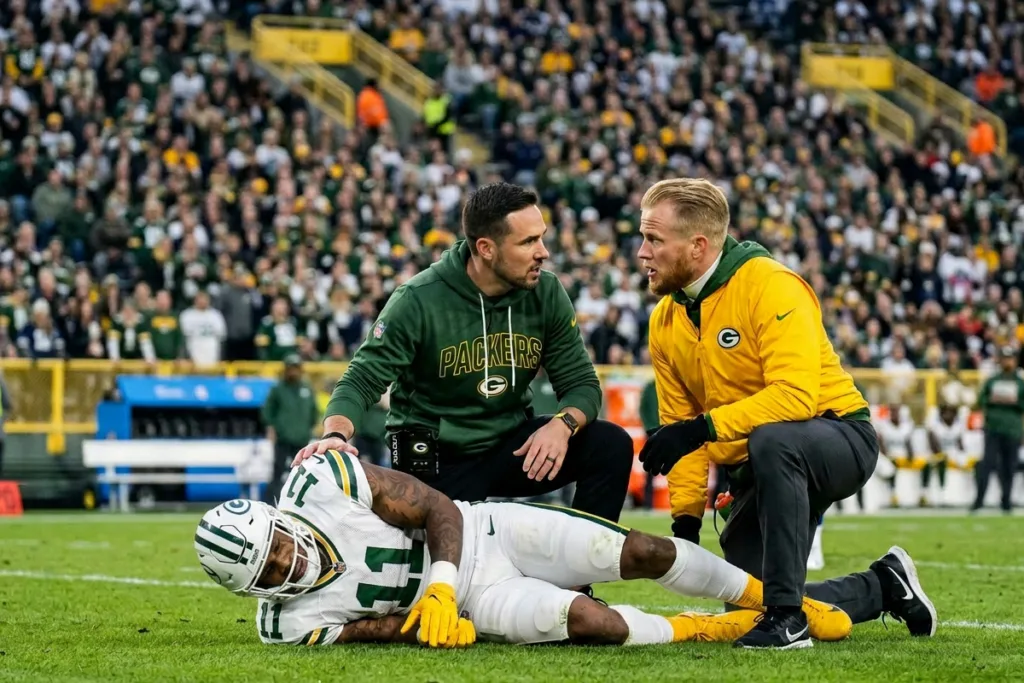
No one wants to see players hurt, but football is a physical, contact sport. It’s the non-contact injuries that really need to be avoided if possible, and the way turf interacts with cleats, impacting cutting, pivoting,
and planting movements, it has been labeled as majorly responsible. With natural grass, there is more of a “give,” allowing for the cleats to dig in momentarily and then slightly slip, diverting force and impact. On the other hand, turf is grippier. Many times, the cleats plant firmer, allowing for potentially better cutting, but can lack the give, causing extra torque on joints, leaving them susceptible to injuries.
The surface is also harder, resulting in a higher impact on the body overall. When tackled on turf, the ground does not absorb as much of the energy, resulting in force rebounding back into the body, whereas real grass has the natural cushion that can help dissipate the force. In an already violent sport, the wear-and-tear on the body should not be compounded by a dangerous playing or practicing surface.
One major counterargument to the pro-grass position has been maintenance costs and durability. As a multi-billion-dollar industry, maintenance costs should not be a major concern in comparison to ensuring that the athletes play on a more natural surface. With the current World Cup requiring field changes to real grass, current players have cited these instances as evidence that grass fields can be implemented with ease. Of course, cleats will result in damage to the field and will require upkeep, but isn’t it worth it to keep players from adding to avoidable injuries that have nothing to do with the game itself?
Turf versus grass has been a long-debated issue, with the league holding firm to its stance while the majority of players fall on the opposing side. Without question, there is an appeal to turf. It is clean, beautiful, and easy to maintain. The added damage to the players’ bodies, however, in an already physical sport needs to be taken seriously.
Football is going to have injuries; it is part of the game. Physicality and grit should never be removed from this sport. It is the artificial surface, adding to joint damage and non-contact injuries, that must be stopped. The body was not made to handle this unnatural environment. It is time to move all stadiums to real grass, protecting players from unnecessary injuries without compromising the physicality of the game.