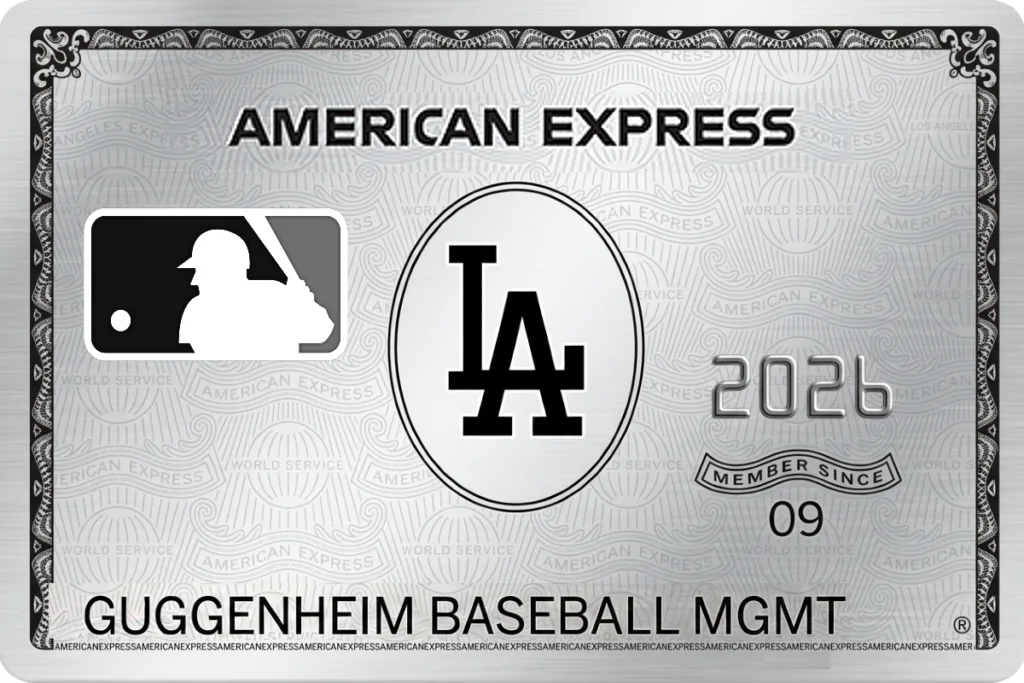
In terms of fashion, black goes with everything and is a perfect complement to any other color in the spectrum. So, when somebody says, “_____ is the new black.”, they are saying what the newest trend/style is. In sports, MLB deferred contracts are the new black, and the Los Angeles Dodgers are wearing the heck out of it.
The Dodgers currently have 10 players under contract, with various amounts of deferred money that the team won’t have to start paying for years, and will continue to pay long after the player is no longer with the team, or even active in the league. Los Angeles phenom Shohei Ohtani is the best example of this new trend. He signed a 10-year deal in 2023 worth $700 million, but instead of paying him $70 million per year, the Dodgers will pay Ohtani $2 million per year for 10 years, followed by $68 million for 10 years, through the 2043 season.
They’ve done similar deals with Mookie Betts ($365 million with $115 million deferred) and Kyle Tucker ($240 million with $30 million deferred). It’s one of the reasons they can continue to add elite players (like back-to-back Cy Young winner Tarik Skubal) and have money left over for even more. It’s also one of the reasons there might not be any baseball in 2027, and it’s not beloved by fans of teams outside of Southern California.
MLB Deferred Contracts Are Bad For The Players
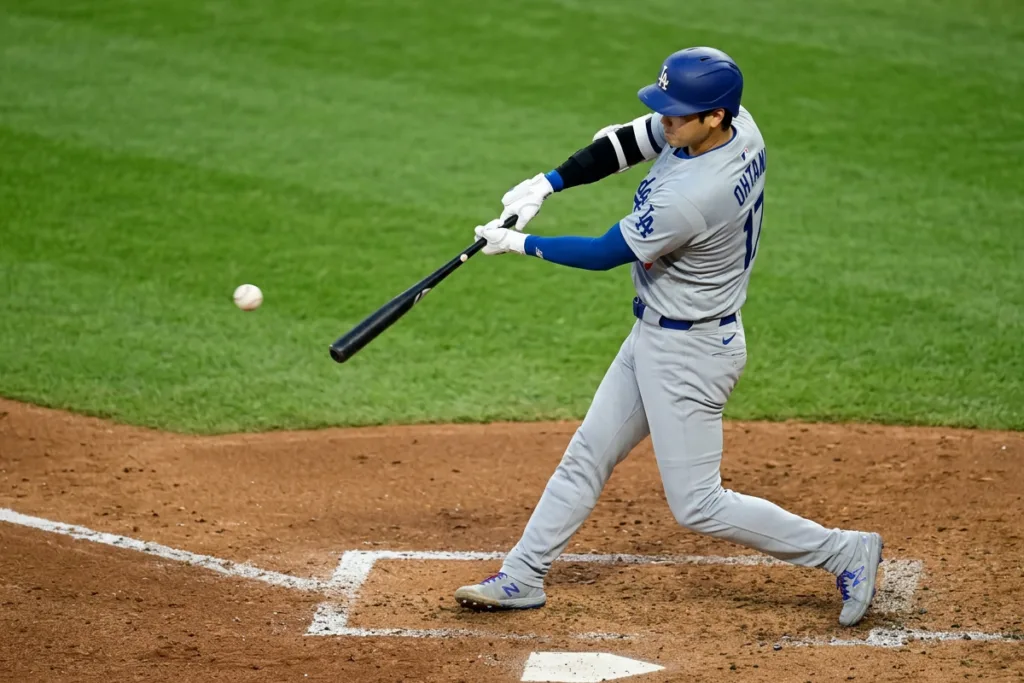
Nothing in the world is all bad or all good, but by and large, the deferred deals signed by players like Ohtani favor the club far more than the player. It’s like winning the Powerball and choosing to accept annual payments rather than the lump sum. It’s a fact of economics that money today is worth more than money tomorrow, and it’s why the lump sum is less than half the jackpot amount.
Players signing deals like this aren’t getting the same price bump for deferred payments that lottery winners get. Maybe Ohtani got $700 million instead of $600 million by taking the deferred payout, but it’s not like the difference between $600 million and $1.4 billion. Without compounded interest in the deal, it makes no sense for a player to wait for the funds.
There are three potential benefits. First is the ability to put together a championship team that could otherwise not be assembled if the salaries were paid up front. Second is guaranteed income after retirement. This is not 100% guaranteed, though, as teams could go bankrupt and default on money still owed. The players wouldn’t get the end of the deals, even if they sued for it.
The biggest benefit, and this is specific to California athletes, is legal tax evasion. Federal income tax for someone making that kind of money is capped at 37%, but the Sunshine State tacks on another 13% in state income taxes for high earners. That’s 50% of all income being stolen by the government. By taking $2 million in salary versus $70 million, Ohtani is saving nearly $9 million per year.
The genius of the deal is that should Ohtani be traded before the end of his 10-year deal, to a team in, say, Texas or Florida, the new team assumes the deferred money as well. Those states have no income tax, though, so a trade to the Marlins or Astros would allow Ohtani or other Dodgers players to keep 13% of the large deferred amounts instead of paying it to California.
They Are Great For The Teams
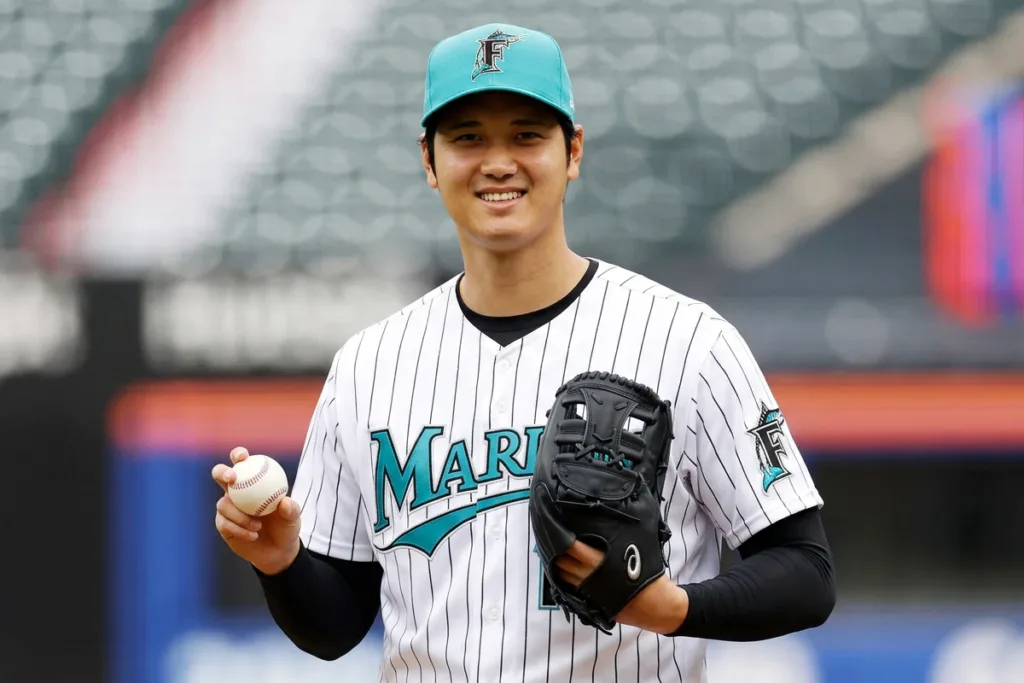
A trade like this would require Los Angeles to send cash considerations along with the player to offset the deferred amount, and the sent money still counts towards the Dodgers’ payroll, not the new team’s, but that could all change with a new Collective Bargaining Agreement (CBA). Ohtani gets the tax break; the team got championships, and the new team gets the player without having to pay the deferred money.
As mentioned before, money today is better than money later, and in the case of deferred contracts, the team gets money today to invest. The Guggenheim Baseball Management group has more than $200 billion in assets, and surely has a great hedge fund manager. They can give the $680 million deferred to their investment guru to invest until it’s time to pay it.
A quick lesson on hedge funds: The average annual return for a good fund can be around 25%. These funds charge a flat 2% management fee, and then 20% of any profits. 20% of 25% is 5%, so that’s a 25% return – 7% in fees = 18% per year. It’s 10 years before the Dodgers have to pay Ohtani, and $680 million with an 18% return compounded annually means that in 2034, when they have to start paying the player, that $680 million would be worth $17 billion with a “B”. The 680? Just a tax write-off.
Are They Fair?
All is fair in love and baseball. If a team wants to structure deferred money into a deal, and the player is OK with it, then there is absolutely nothing wrong with it. The practice will surely upset teams like the Marlins and Athletics, whose owners live on food stamps and don’t have $200 billion in assets, but if they can’t afford to build a championship team, they should sell the club and buy a Taco Bell franchise (Mets’ fans collectively stand up and cheer that idea).
At the end of the day, taking advantage of a financial system to win a title is just as much part of the game as taking batting practice. The MLB is not alone in this endeavor. For years, NFL teams have been giving players “void years” on their contracts to stay under the cap. The only difference is that there is no cap to fly under in baseball, at least not yet.
The Boys on the Lights Out Sports Podcast will be discussing this very issue on tomorrow night’s show. Be sure to tune in at 9 pm EST and 8 pm CST to see what they think about it. They will stream live on YouTube and Twitter, and fans are welcome to interact during the show.