Major League Baseball and the MLBPA are going to negotiate a new collective bargaining agreement (CBA) this winter, and it could lead to a strike or a lockout. The biggest topic on the table is the MLB following the other three major American sports and implementing a salary cap. The players are against this despite the fact that none of them would sacrifice salary, and the proposal would come with a $2 billion pay raise.
The issue with baseball contracts, though, isn’t the average annual value (AAV) of the deals; it’s the length of the contracts. Even in sports governed by a salary cap, like the NFL, bad contracts get handed out every day. Albert Haynesworth received $100 million from the Tennessee Titans, Russell Wilson signed for $245 million with the Denver Broncos, and the Cleveland Browns are still paying Deshaun Watson on his fully guaranteed $230 million deal.
The difference in football is that the players typically sign for between four and six years. Even if the team significantly overpays for a player, they can get out of the deal sooner rather than later, with a small cap penalty. In baseball, players can sign for infinite years (and they try to). 18 of the top 25 biggest contracts in the league are for more than 10 years and average $30 million per year. If a player signs a deal like that, and flames out in year two or three, there’s still more than half a decade left on his contract.
Major League Baseball Needs To Cap The Years
Players benefit from a salary cap more than the owners do. They get more money, and there’s more parity in the league. The downside is, they can’t all agree to play for one team. They need to spread out the talent. If the owners want to protect themselves, they need to set a limit of five years for any deal, maybe a bonus sixth season if the player has been on the same team for more than 200 games. Another idea to sweeten the deal for the players might be affixing a no-trade clause automatically to every five-year deal.
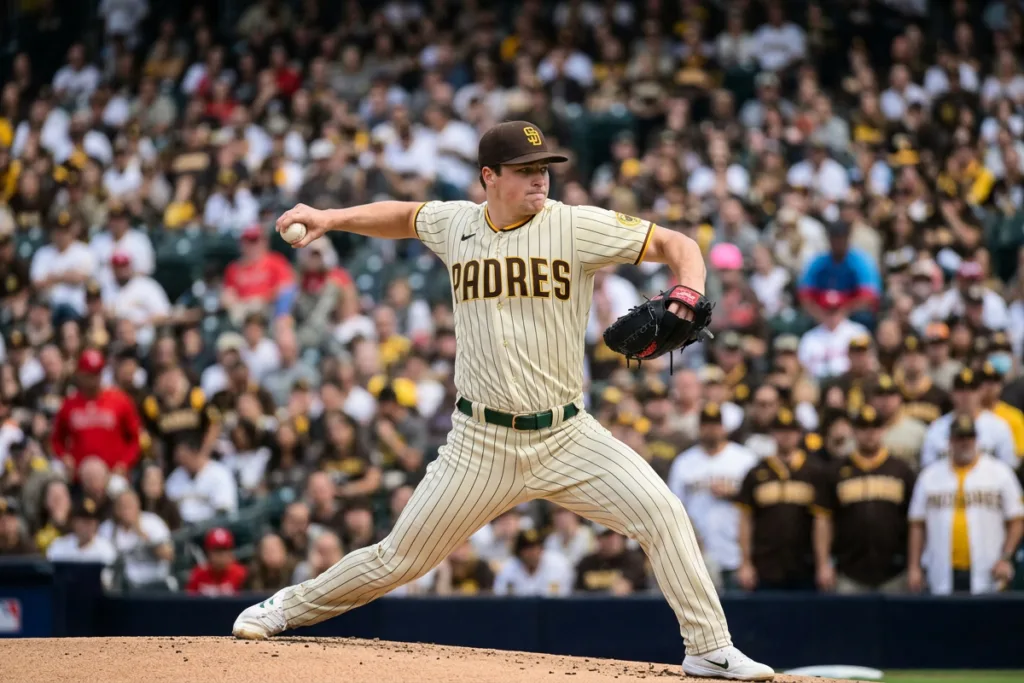
There are a number of ways to make the deal palatable for both sides, but teams have been handicapped by having no limit to the terms of the deal. There is talk leading into the MLB trade deadline that the San Diego Padres should move the best reliever in baseball, Mason Miller. He’ll be 28 in August and still has three years of arbitration, so why would the Padres even entertain a phone call?
The reason is that there are players clogging up the team payroll that they can’t get rid of, even if they traded those players for a single-A prospect. Xander Bogaerts is hitting .219 and is locked up through the 2033 season, Manny Machado is hitting .216 and is under contract for the same duration, and Fernando Tatis Jr won’t be done with his 14-year deal until 2034. Three players on decade-long deals who aren’t performing and are at least five years away from being cut.
Restricted Free Agency
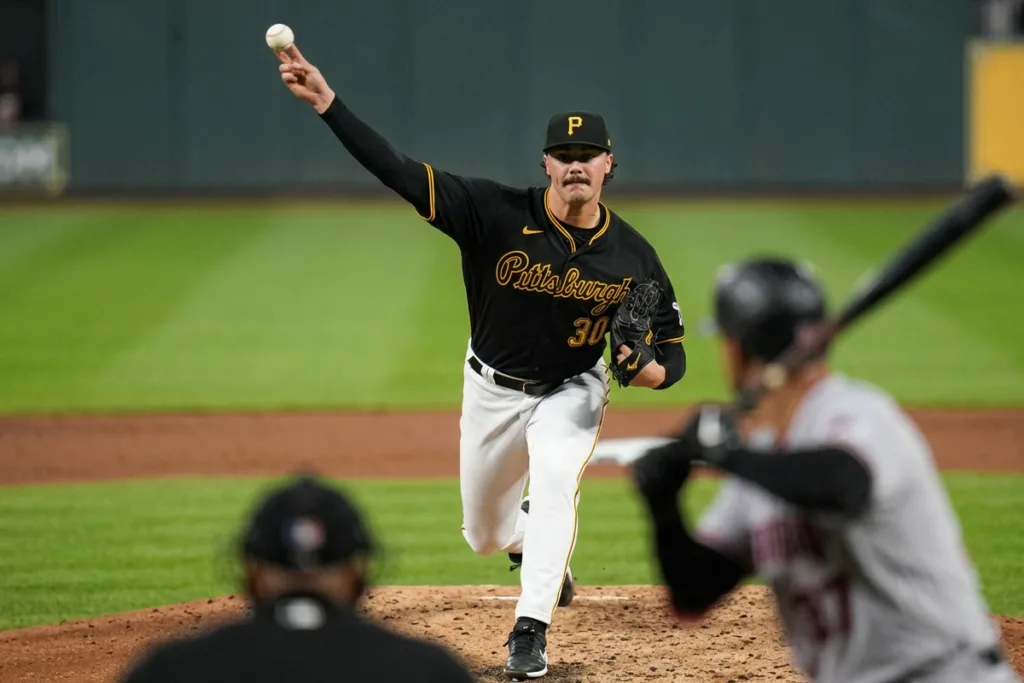
It’s understandable the players would want some sort of compensation for the years of team control a team has over them. Under the current CBA, players are not considered under contract with their teams until they reach the major league level. So, a player who spends three years in the minors before reaching the show is in year one of his MLB contract in year four of his career. He then needs to spend three years getting the league minimum, followed by three years of arbitration before he can be a free agent.
To make the five-year maximum deal proposal an easier pill to swallow, the league could pitch restricted free agency to benefit the player and the team. Instead of arbitration, after three years of service on the big league club, the player becomes a restricted free agent. Any team can offer a deal to him, and if he signs a tender, his current team gets the option to match the offer or let him go but receive any one minor league player in the other team’s farm system as compensation.
This would only be an option for players who, in their first three seasons, win a Gold Glove, Silver Slugger, MVP, Cy Young, or make at least one All-Star team. Players who reach the end of their first three seasons and have not received any accolades would be subject to arbitration, with the potential to be a restricted free agent the following year if they qualify by award.
It sounds confusing, but it’s actually simple. Limit the number of years a player can sign for, but throw the MLBPA a bone to make it happen. Players are happy, and the owners are happy, or if it’s a successful negotiation, nobody is happy.