One of commissioner Rob Manfred’s MLB Collective Bargaining Agreement proposals includes a salary cap of $245.3 million. The problem isn’t the pay gap between different teams, but rather the owners putting their money in the toilet on oversized contracts. MLB should instead have a panel review before owners sign players.
The irony of Manfred’s salary cap idea is that it technically exists already. The Competitive Balance Tax (CBT) functions as a soft cap, discouraging excessive payrolls through financial penalties. Only a select few franchises consistently cross the tax threshold, treating the financial penalties as the cost of maintaining a roster capable of winning the World Series. If the current system already provides a mechanism to penalize runaway spending, why is Manfred thinking about a salary cap?
Bad Contracts, Not Big Payrolls, Are The Real Issue
When spending is capped, team rosters are immediately split into two tiers: the elite and everyone else. Owners frequently hand out massive, long-term contracts based on recent performance rather than long-term sustainability.
History has shown MLB and the fans what can happen when teams sign players to long-term contracts. Some of them are worth every penny. Alex Rodriguez’s 10-year, $252 million contract with the Texas Rangers worked out for them when he was on the roster. His OPS hovered around 1.000 for all three seasons before he was traded to the New York Yankees.
Other long-term contracts go down as possibly the worst contracts in history. Stephen Strasburg signed a seven-year, $245 million contract with the Washington Nationals immediately after winning the World Series. His 18-6 record in the 2019 season was motivation for Washington to keep him, but that contract was clearly a mistake, as he medically retired in 2024. Strasburg’s last “season” in 2022 was just one start in which he had a 13.50 ERA.
When an owner decides to give a significant portion of the team’s payroll to one or two stars for the long-term future, it spells doom. The team’s ability to build a deep, competitive 26-man roster is gone, and it is now relying on one or two stars alone. If an injury or underperformance happens, the team’s season is over because there’s no Plan B.
A Contract Review In The New MLB Collective Bargaining Agreement Would Protect Teams From Themselves

The real problem to fix is the owners’ behavior in acquiring elite talent. Under the salary cap, teams can still chase star players. The only thing that’s changed is the tightened constraints on how much can be spent. This has nothing to do with how large the pay gap is between two random teams. MLB needs a smarter way for owners to spend their money.
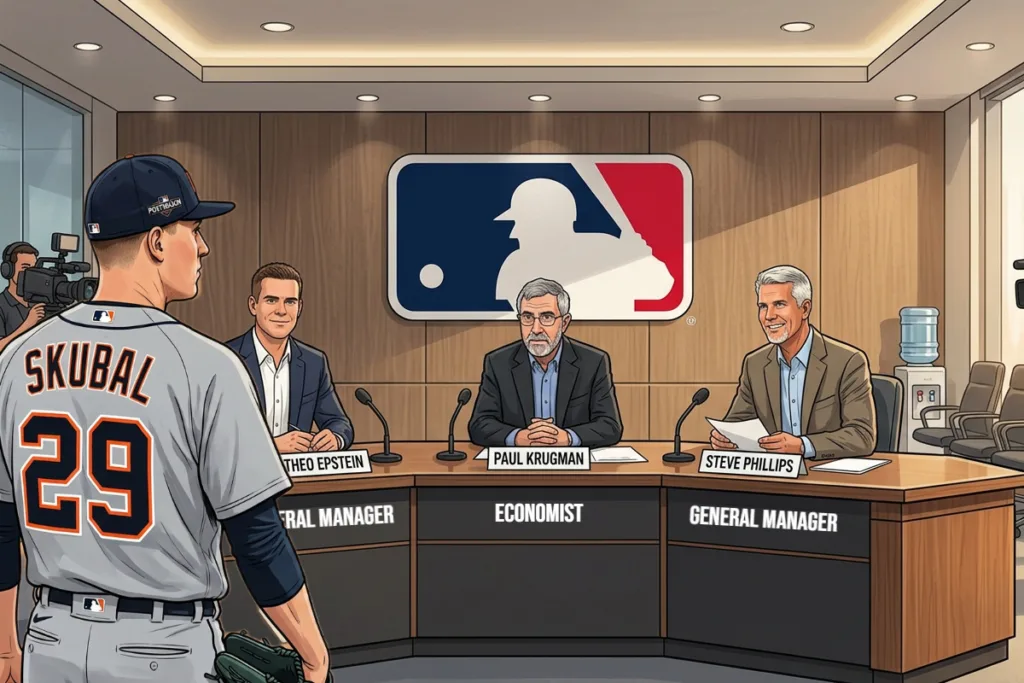
A panel made up of former MLB GMs, sports economists, and sports medicine professionals would be a better idea. To maintain fairness, the panel would be jointly appointed by MLB and the MLB Players Association, preventing bias toward either ownership or players.
A contract that meets a specified threshold, such as 5 years or more and $100 million+ total value, needs a panel review and approval before signing. The panel would evaluate the signing based on objective, data-driven criteria. The criteria would be physical sustainability for the player, using factors like age and injury history, team roster fit, and an assessment of how the contract will financially impact the team.
Critics will immediately argue that the owners will be stripped of their autonomy. No other professional sports leagues have a panel review, and every league has experienced disaster contracts. Why would MLB do it?
A panel review, unlike a salary cap, does not stop teams from spending money at all. The panel will simply stop them from spending money foolishly and allow owners to make more realistic contracts. Right now, players often sign long-term deals that look lucrative on paper but quickly turn into unstable situations.
When a contract becomes a burden, teams look to trade players, like how Matt Kemp was traded to the Atlanta Braves from San Diego, or designate them for assignment like Pablo Sandoval. The issue is not that these players were undeserving of being paid; it’s that the contract structure failed to account for injury risk, age, and long-term performance decline rather than a breakout season.
If a proposed contract is rejected, it forces the front office to return to the drawing board. Owners are then allowed to either make a new contract for the player they want or sign someone else. That’s a better outcome for everyone. By evaluating deals before they are signed, the panel could help players enter situations where teams are more confident in their long-term investment rather than becoming a financial liability.
If a player exceeds expectations, whether through WAR, ERA, or accomplishments like All-Star Selection or MVP finalist, that would trigger a partial renegotiation window. The contract would generally remain intact, but there would be talks of adding more incentive bonuses. That way, players aren’t discouraged from outperforming projections, and teams aren’t locked into doomsday rigid mega-deals that end up heavily scrutinized by their fans.
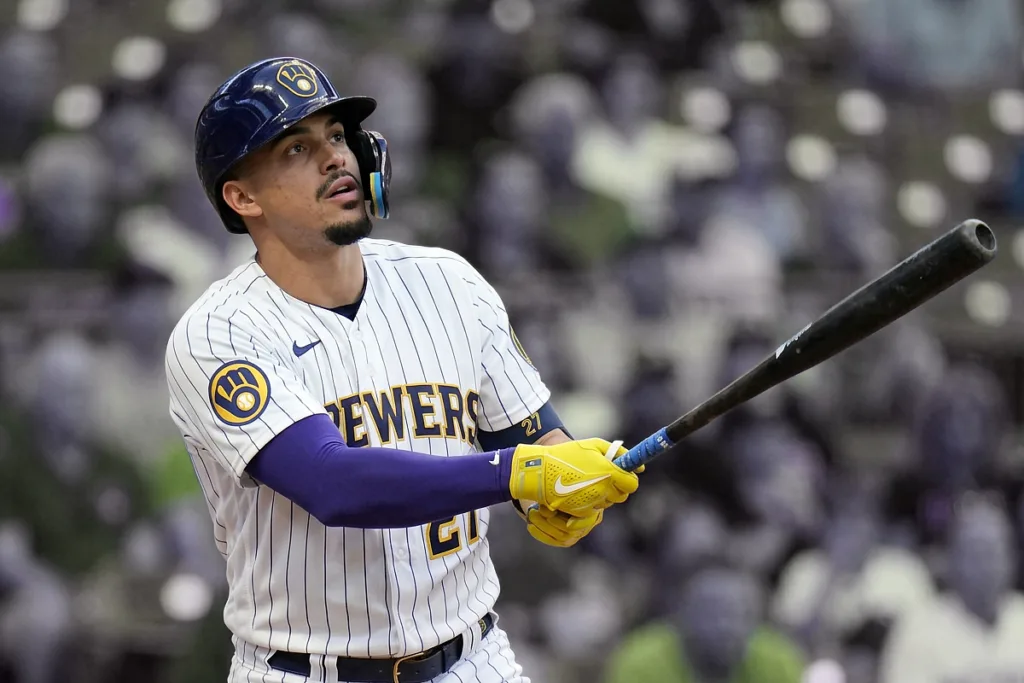
One contract that would have benefitted from a panel review had it been established in the last Collective Bargaining Agreement is Willy Adames’ seven-year, $182 million contract with the San Francisco Giants. Adames earned that deal after a career year with the Milwaukee Brewers, finishing the 2024 season with 112 RBIs in 161 games. A panel review would have looked beyond that breakout season and evaluated his entire track record to determine if that level of offensive production was sustainable. An examination of his injury history would also highlight how injury-prone Adames is.
MLB does not have a spending problem as Manfred believes; it has a decision-making problem. Owners should not be punished for wanting to build championship rosters, and players should not be punished for earning massive contracts. The problem begins when teams sign players to long-term contracts worth $100 million or more solely based on a hot season for the player.
A salary cap only limits the amount teams can spend. It does not stop them from making reckless decisions once that money is available. A panel review would address the actual issue by forcing organizations to make more financially safe contracts. The future of baseball, and professional sports in general, should not be determined by who can spend the most money, but by who can spend it the smartest.