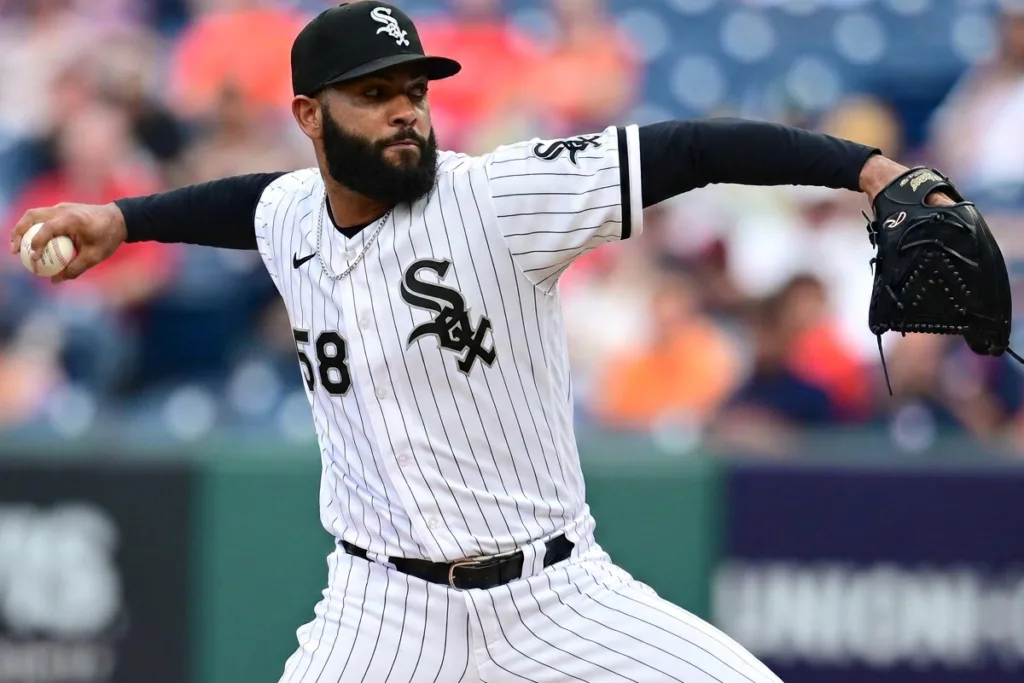
The Chicago White Sox rebuild, which began only a few years ago, has not only led them into the playoff hunt, but also to sole possession of the American League Central as the 2026 calendar flips to September. Somehow, the White Sox are pulling off one of the most incredible turnarounds in MLB history, and seemingly in record time. It’s another chapter in what could be one of the most volatile decades in any MLB team’s history.
At the end of the 2021 season, Chicago looked poised to dominate the American League Central for years to come. Fighting to a 93-69 record and their first American League Division Series appearance since 2008, roster pieces like Luis Robert Jr. and Lucas Giolito looked poised to command the ship. By 2024, the team had put up 121 losses and only 41 wins, the worst record in MLB history. The star players were either traded away or had left in free agency, save Garrett Crochet and Erick Fedde.
How were the White Sox able to pull it off so fast?
Chicago White Sox Rebuild Boils Down To Investing In The Young Guns
The White Sox had a severe issue with young talent or promise in 2024, with only Colson Montgomery and Noah Schultz on the Top-100 prospect list and still years away from appearing. It also didn’t help that other prospects between 2021 and 2024, like Andrew Vaughn, Oscar Colas, and Nick Madrigal, were busting badly. The pitching staff also suffered, losing Lance Lynn and the Giolito-Carlos Rodon duo splitting elsewhere with seemingly no investment during that period.
Within the last two years, there was a shift in the team’s approach to prospects as Farm Director Paul Janish finally got complete control of the system away from Chris Getz. Janish, who became the team’s farm director in 2023, adopted a more technology-based approach rather than the old-school “eyeball-it” way of basing performance. While Getz did a fine job for the team’s farm system in the late 2010s, the old way wasn’t cutting it anymore.
“At the end of the day, you’re still trying to help make players better, it’s just that player development systems are more robust now than they’ve ever been. When I was playing — even though, relatively speaking, it wasn’t all that long ago — there weren’t as many resources as our guys have,” Janish told Fangraphs in 2025.
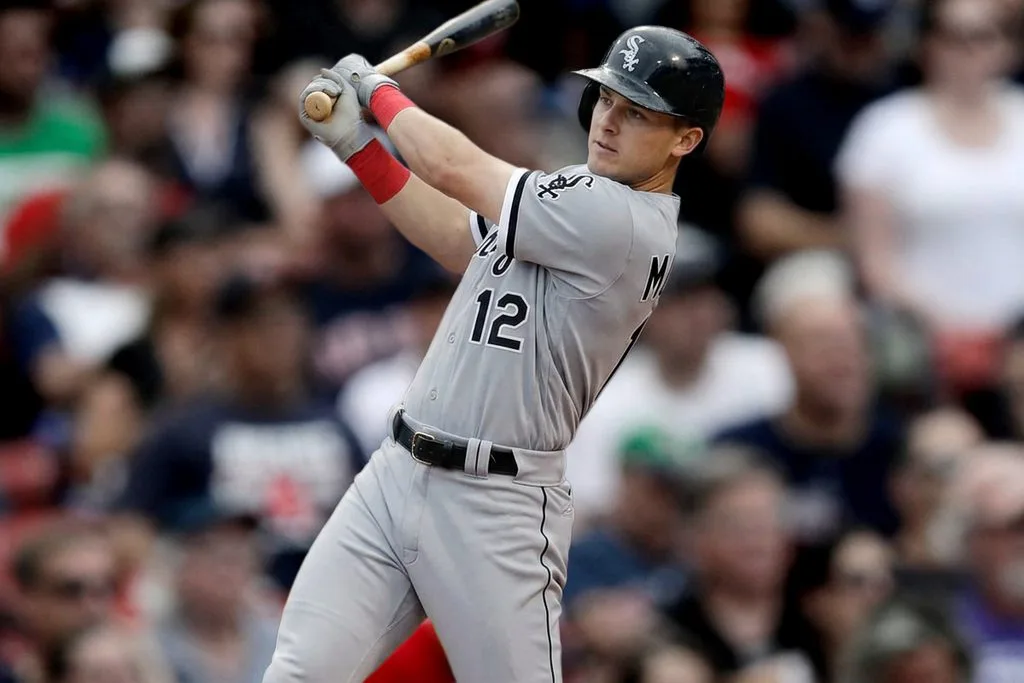
That philosophy benefited prospects like Colson Montgomery, Braden Montgomery, and Chase Meridoth, who all have positive WAR and hold an average .700 OPS. Other rookies like Sam Antonacci and Hagen Smith are carving their own destinies as well. They’ve also added some new positions within the last few years, including pitching directors and consultants, while modernizing their tools.
Getz also didn’t waste any time making some serious moves that have paid off. Miguel Vargas, who was 24 when the team traded for him in 2024, made his first All-Star team and has an .847 OPS in 2026. Munetaka Murakami, who set the single-season record for home runs in Japan, has nearly 30 home runs in his rookie season despite missing a chunk of the season due to injury. Tristan Peters, whom the White Sox traded for simple cash considerations, is also an All-Star. That’s three new All-Stars within the last year.
Andrew Benintendi is the only player older than 30 who has been a consistent fixture on the roster, and he’s only 31. Anthony Kay, Fedde, and Sean Newcomb are the others who are over 30 on the pitching staff. It’s enough veteran presence in a locker room filled with guys under 27 who need direction, though the chemistry is clearly shining through despite some issues with strikeouts and getting on base. Those offensive issues could work themselves out in the next year or so.
A Young Manager Helps, Too
The breed of old-school managers is quickly going out the door, save for a few exceptions, in favor of the younger, more in-style former players. What matters as much as a good roster is a manager who can relate to players but can also whip them into line when needed.
Any baseball fan who has closely followed the White Sox knows the drama of former manager Pedro Grifol, who stepped in after Tony La Russa bowed out due to growing health concerns. While La Russa had questions around his ability to manage the team due to his health and old-school approach, Grifol had questions about whether he was suitable, period. There were significant cultural issues in the clubhouse, especially with Grifol’s stern and hard-headed attitude towards accountability and discipline. Everyone remembers Kenyon Middleton’s comments about there being “no rules” in the clubhouse in 2023.
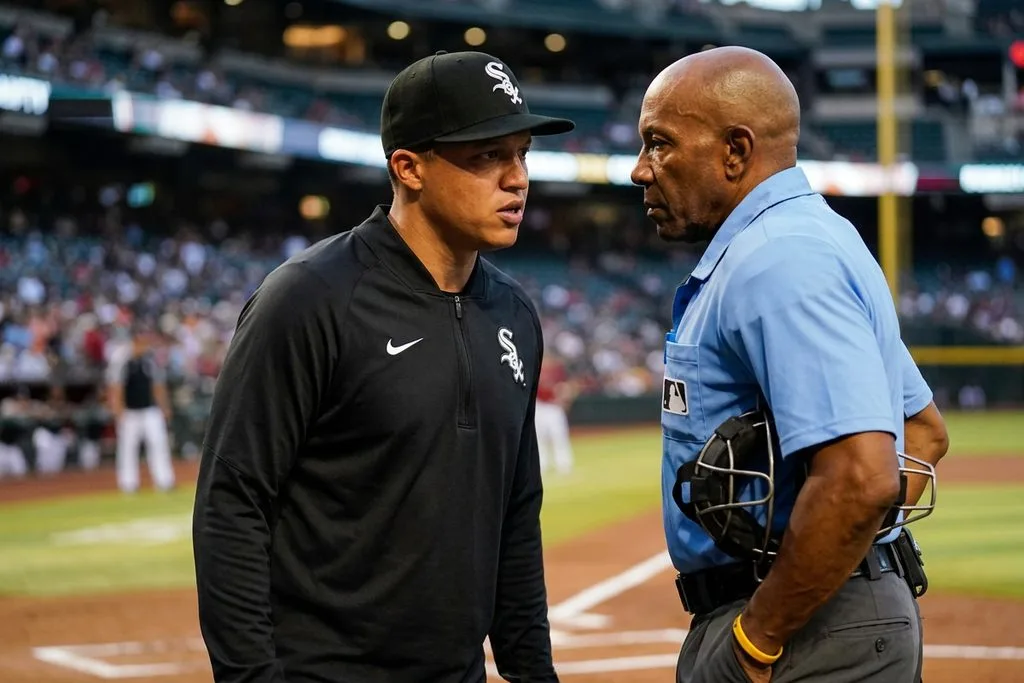
In 2024, it got worse as the team spiraled down the tubes and as Grifol insisted on a negative style of bashing players at conferences and on his intensity. That reportedly led to him getting fired and replaced by former Cleveland Guardians outfielder Grady Seizmore. After Seizmore couldn’t right the ship either, the team decided to go a little further by selecting Will Venable as their new permanent manager.
The difference between the Venable and Grifol tenures is night and day. Whereas Grifol was strict and demanding, Venable is more moderate and strong enough to command respect, but likeable enough for players to keep themselves in line. Venable reportedly invests in the younger players and even lets them emerge as leaders on their own. All of the White Sox players and personnel highlight his positive energy and the consistency they get when they come in for a game.
Venable is a former MLB player, having played eight seasons with the San Diego Padres, Texas Rangers, and Los Angeles Dodgers. He’s been on some mediocre teams, and some successful teams as well, so he’s got first-hand experience with what works and what doesn’t. He’s also hungry for the playoffs, given that he’s never had a real chance to play in a Division Series, Championship Series, or the World Series.
Maybe it’s Bud Black rubbing off on Venable, or maybe the White Sox have finally realized that old-school discipline doesn’t work in today’s game anymore.