As a result of the controversial Michigan Wolverines clock mishap at the end of their week-one matchup with the Western Michigan Broncos, the NCAA is implementing what they call “standard timing protocol.” For an institution that has become known for overflowing with unnecessary rules, the fact that it took this long to institute a form of standardization is absurd.
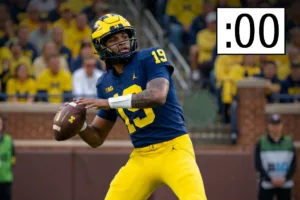
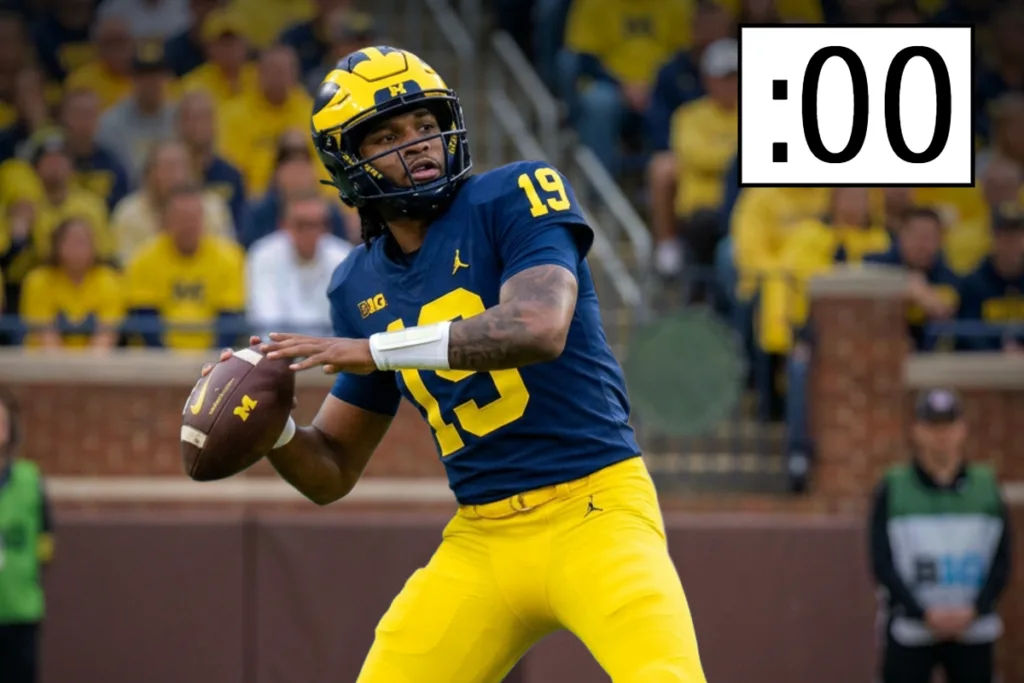
The Wolverines took a shot from midfield at the end of the game, and it appeared to viewers as if time had expired and the Broncos pulled off an upset reminiscent of the Appalachian State Mountaineers’ defeat of the No. 5 Wolverines in 2007. Despite the clock showing all zeroes on the broadcast, the referees decided to add a second back onto the clock. Michigan got another shot and capitalized, avoiding the upset with a last-second Hail Mary.
The idea that there wasn’t already a protocol in place for something like this makes it all the more fishy on behalf of the officials. This is especially true when considering the matchup was interconference, and the officials for the game were a part of the Big Ten.
According to an article from ESPN, a memo regarding game clock standardization was issued by NCAA national coordinator of officials Ron Snodgrass.
“The official time for all college football games is the time displayed on the in-stadium game clock,” the memo said. “When a replay review requires time to be restored or otherwise adjusted, the replay official’s decision will be based on the embedded game clock contained within the program feed. If the broadcaster is unable to provide an embedded game clock, the replay official will use the game-clock graphic displayed as part of the broadcast feed. This timing protocol should be followed consistently at all institutions and game sites.”
If the Michigan Wolverines Clock Debacle Occurred Today, The Outcome Would Be Different
Had the final sequence between Michigan and Western Michigan played out exactly as it did, just a week later, the Broncos would have left Ann Arbor the victors. By the definition of the new “standard timing protocol,” the officials on the field would defer to the “embedded game clock contained within the program feed,” which showed zeroes after the first Hail Mary attempt.
This highlights the absurdity of the fact that there was no protocol already in place. Wolverines quarterback Bryce Underwood’s NIL deal is worth $3 million per year according to On3, meaning the deal is worth somewhere from $10 million to $12 million. Head coach Kyle Wittingham’s five-year deal is worth $8.2 million dollars. To have tens of millions of dollars at stake, relying on the lack of a standardized timing protocol, is a level of incompetence that even the NCAA rarely reaches.
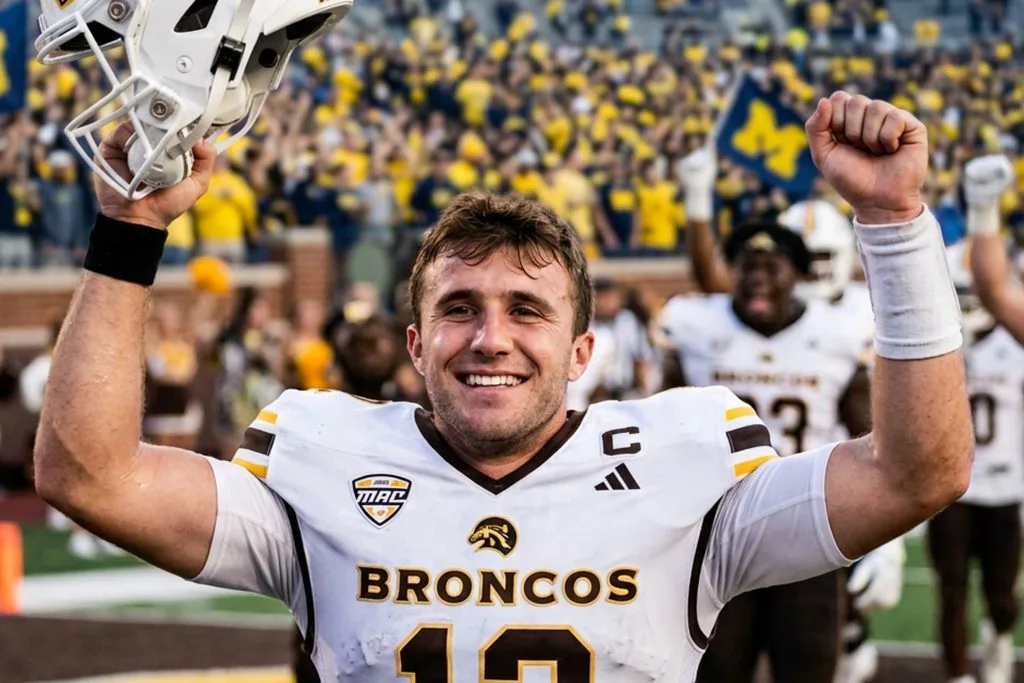
If this is supposed to make fans of either team feel better about the outcome, it’s ill-advised. Broncos fans will continue feeling like they got cheated, and Michigan fans will have to continue bottling up the guilt they have about winning.
Western Michigan has shown the desire to overturn the result of the game, despite the fact that the NCAA has no mechanism to do so. On the Tuesday after the matchup, Mid-American Conference officials released a statement and sent letters to the NCAA leadership with the intent of overturning the outcome of the game. Western Michigan president Russ Kavalhuna was behind the attempt by the MAC, even if the NCAA did not grant their wish.
In an article from The Athletic, Kavalhuna said what the MAC wrote to the NCAA made sense.
“I believe this football team has a chance to be great,” said Kavalhuna. “And we are in a place of college football today where record is not everything. Reputation. I mean, it’s literally a voting process to get to the most elite tournament. Now we do have a proxy for a lot of that, and that’s your record. But we also get into this multifaceted matrix of the strength of schedule, how we rank losses and wins for teams. So the subjective analysis of this matters, and you read what the MAC wrote, and you do have to start thinking, ‘Geez, I think this might make some sense.’”
How Did The NCAA Make It This Far Without A “Standard Timing Protocol?”
The first college football game ever played was between the Rutgers Scarlet Knights and Princeton University Tigers in 1869. 157 years later, the NCAA finally decided they were going to standardize the way time is measured in games. Time is so crucial to the game of football that about half of the numbers on any given scoreboard or scorebug are in relation to how much time is left in the game. Not instituting such a protocol after any of the other countless controversial endings in the sport’s history is a massive failure on the part of the NCAA.
While this incident very well may have playoff implications for both teams, similar debacles have had much greater implications. Nebraska Cornhuskers fans remember a situation just like the one that benefited the Wolverines, only the stakes were significantly higher, further underlining the abject failure of the NCAA’s lack of a standard timing protocol.
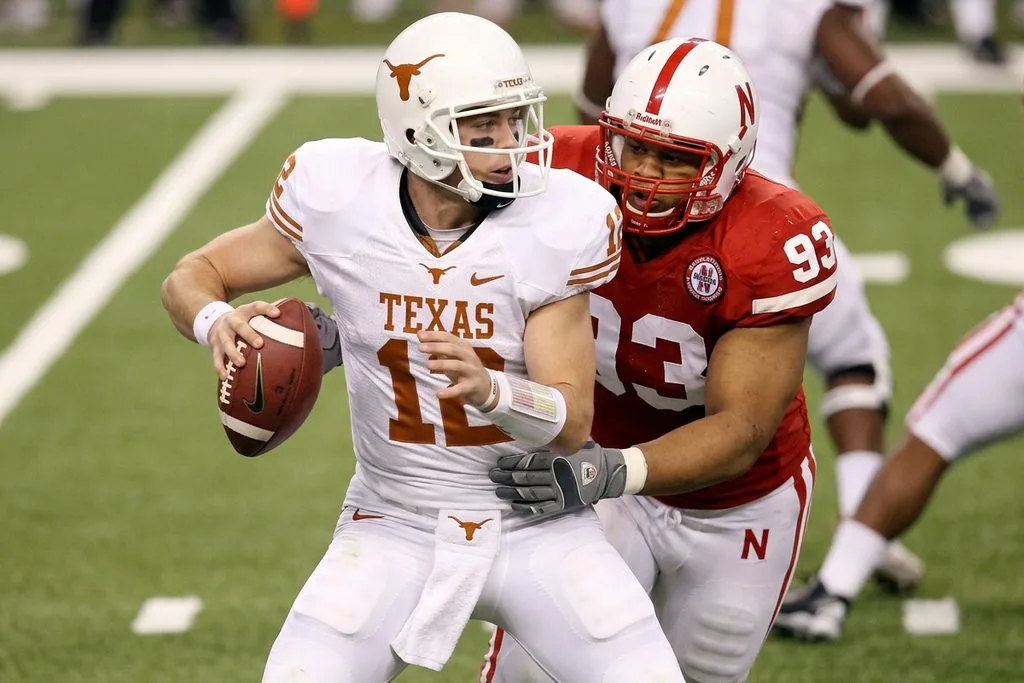
In 2009, the Nebraska Cornhuskers appeared to have beaten the Texas Longhorns in the Big 12 Championship 12-10, as the broadcast clock showed all zeroes. Instead, the officials added one second back onto the clock, and the Longhorns kicked a game-winning field goal. Eerily, that game finished with a 13-12 victory for the beneficiary of the extra second, the same score as the Michigan game.
If the inept organization that is the NCAA had implemented a standard timing protocol at a reasonable point in their history, Cornhusker fans would have some closure to their loss. Instead, the NCAA’s worthless leadership added that fan base to a pool of fans that already felt the same pain.
That is just one example of previous controversial endings to college football games, yet for some reason the plight of the Western Michigan Broncos was what finally nudged the NCAA towards standardizing the timing of their games.