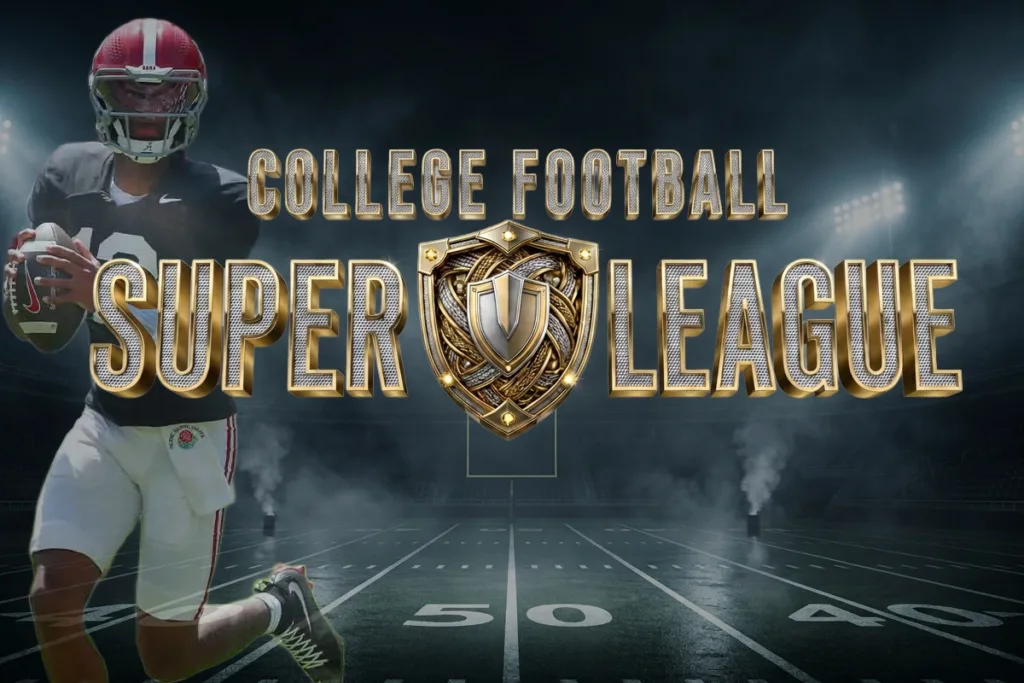
College football experienced one of its most chaotic offseasons in recent memory. The Brendan Sorsby drama and the Protect College Sports Act made the sport louder than it ever has been. Mixed in with everything else was Ted Cruz and Notre Dame Athletic Director Pete Bevacqua claiming the Big Ten and SEC wanted to break away from the NCAA and form a College Football Super League.
Both conferences denied those claims, but that doesn’t make the idea go away, and it’s actually the best course of action for the sport. College football has the pageantry that the NFL doesn’t, but not the consistency. Are there upsets each year? Of course, but it’s far from the “any given Sunday” mantra of the NFL.
The Pushback
As with any new plan, there are ardent opponents to a Super League. They stand on various platforms, including not wanting an NFL-light, wanting the sport to get back to a more regional feel, and the fear that exclusion is a death sentence. These arguments, while fair, lose their weight with each passing season.
Starting with the NFL-light debate, the sport is already there. NIL spending has rapidly grown since its implementation to nearly $50 million for some schools. The top end of the sport is already able and willing to fund like the NFL, and that pulls the best players to those schools. The 2026 Draft was the first time that there were no selections from FCS schools in the first three rounds, a clear indicator that the money has pulled the best talent to the best schools.
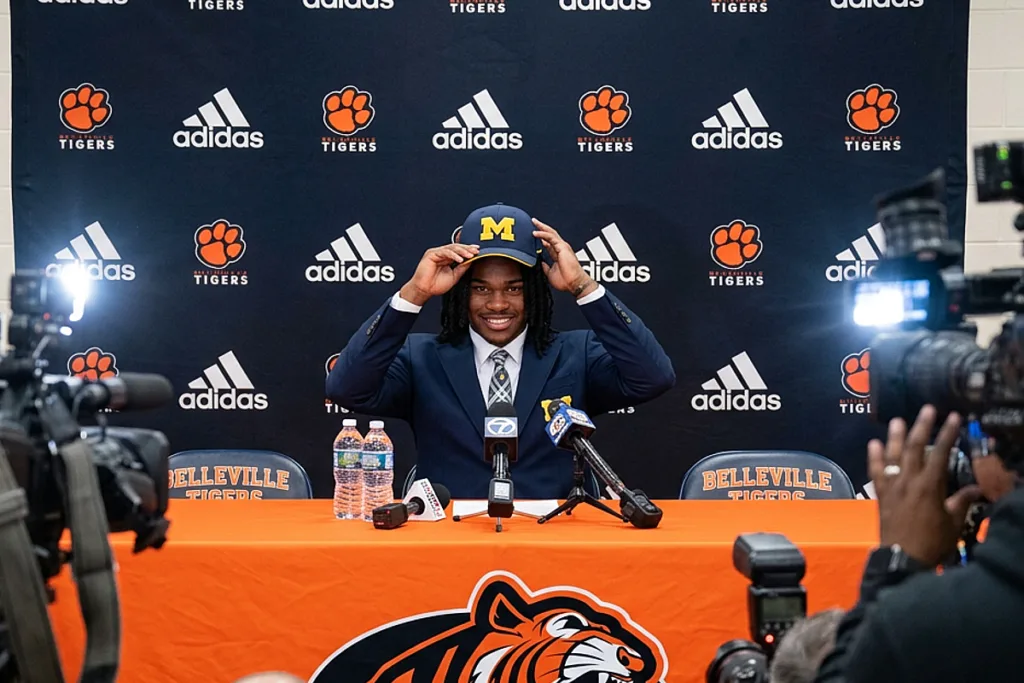
If the best players are largely in the best conferences because of the money, then how is that different than the NFL, the collection of the best football players in the world? This past draft had only three selections from G6 schools in the first three rounds. The talent pool for the NFL becomes more centralized year over year. In other words, college football looks more like the NFL year over year.
The regional feel argument makes some sense, but seems to be dead on arrival at this point. The conference alignment of 20 years ago was fun and made sense geographically, but had a gatekeepy feel. Regional tribalism in college football just feels odd, especially considering many alumni from schools end up in different parts of the country.
Not only alumni, but more and more first-year students go to school farther away from where they grew up. That intense community is part of what makes college football great, but at the individual school level, not the Pacific Northwest versus the Southeast as a whole. That, combined with conference realignment in the chase for money, has upended that argument entirely.
Exclusion is an interesting argument. As Mike DeCourcy of The Sporting News put it, no successful company started with a wide customer base and then got more exclusive. Professional leagues have never eliminated teams; they have only expanded to more cities. This argument makes sense in theory, but it doesn’t directly correlate to college football.
There are 138 FBS teams. Only 14 have won a national championship since 2000, and that number only grows to 19 since 1990, including the years with two champions. The sport has always been exclusive, and now more than ever. Schools like Northern Illinois are lying to themselves if they believe they should be in the same conversations as a Notre Dame. Did they beat the Fighting Irish a couple years ago? Yes, but they promptly lost to Buffalo the following week while Notre Dame wouldn’t lose again until the National Championship.
Random one-offs in buy games like that can happen, but they don’t tell a deeper story. College football has a clear class system, and NIL has only widened the gap to leave more schools behind. Those schools and fanbases may not like the direct exclusion, but that doesn’t change the fact that they have already been locked out.
Benefits of a College Football Super League
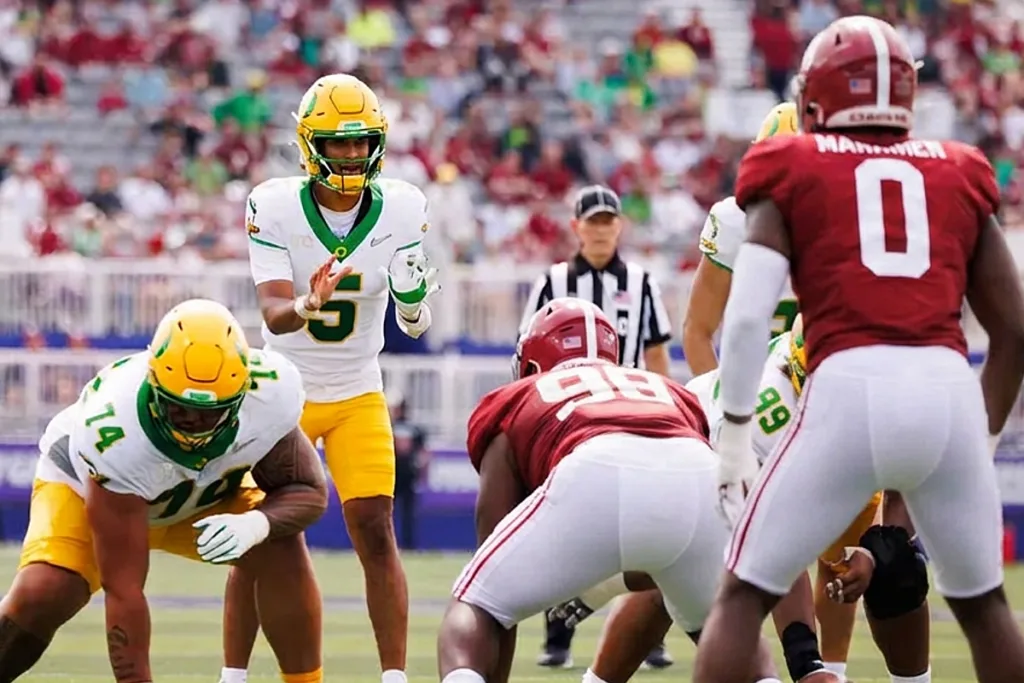
The reality is that there are six to eight schools that can win a title each season in the current system. There are 30-40 schools that have the potential to be in that group, however. The two main factors that play into this are history and finances, to varying degrees. For example, Alabama doesn’t have the same financial base as Oregon, but Bama’s history is far richer. Both are still obvious choices for a Super League.
A new system also creates new avenues for success. It would allow schools to break away from the NCAA and collectively bargain with the players. This would eliminate the financial edge to a degree, but NIL has already created competitive balance at the top level. Schools can no longer stockpile talent on their rosters because players will leave to get paid and play at other schools. A CBA and a salary cap just add structure to that system.
Networks would eat this up. ESPN and Fox love to promote their big games, and having all the best programs playing each other allows for even more hype and viewership. There is real build-up to Ohio St. playing Texas. Ball St. coming to Columbus doesn’t get the same love, which is another issue the sport has. College football sprinkles in some great matchups in the first two weeks, but loses all steam with buy games before the conference schedule starts. The NFL starts around the same time, and fans leave college behind.
For the fans of regional football, divisions should be part of the layout of the new league. There can be the best of both worlds with teams playing both the best in their region as well as playing top-tier talent across the country. This brings back the nostalgia of the old conferences while still producing compelling matchups each week.
A Super League has too many benefits to ignore. The current TV contracts of the Power 4 conferences surpass $12 billion. That number would skyrocket if the networks didn’t have to factor in the dredges of those conferences. If they were only working with the real needle-movers, networks would be willing to pay whatever it took.
Fans should want this too. LSU vs. USC is far more interesting than USC vs. Rutgers. Why should fans be subject to games that end 63-7 with starters sitting the entire second half? If it’s simply because donors at the major programs want to feel good, then that system should be thrown away. If they are willing to spend like NFL teams, then they can lose like NFL teams. Those schools have earned the right to be in a class by themselves, but that doesn’t mean they should be immune to the side effects of football.
The bottom line is that college football, like every sports league, has evolved over decades, and even more rapidly over the last five years. The elites of the sport have outgrown the NCAA and have the means to start something new.