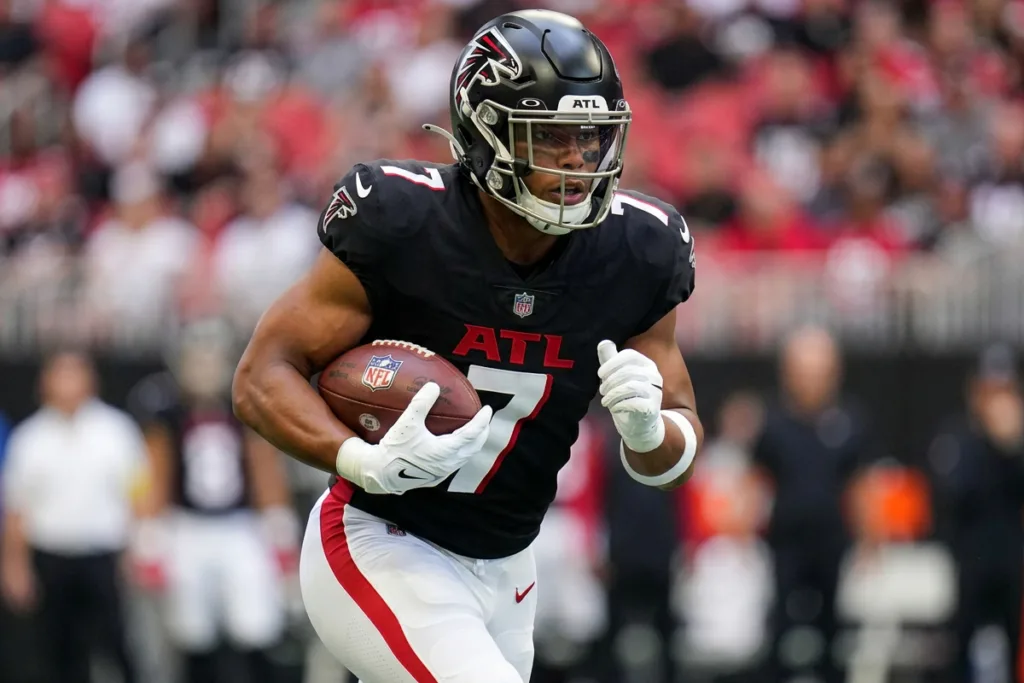
With news breaking of an Atlanta Falcons Bijan Robinson extension, there is reason to rejoice for fans of the team, but also reasons for head scratching. While Atlanta locked up a great young player for the next few seasons, they ignored a key team-building rule, inspired by the NFL Pyramid of Positional Value. That is, “Never give a rookie running back a huge extension.”
This rule can only be ignored because they had already ignored the rule “Never draft a running back in the first round.” These rules weren’t designed to belittle the position, but are born out of an acknowledgement that some players have more value than others, based on where they play. For example, “Quarterback is the most important position.” This rule is widely acknowledged and respected because, like all the other rules, it’s been proven year after year.
The Pyramid Of Positional Value
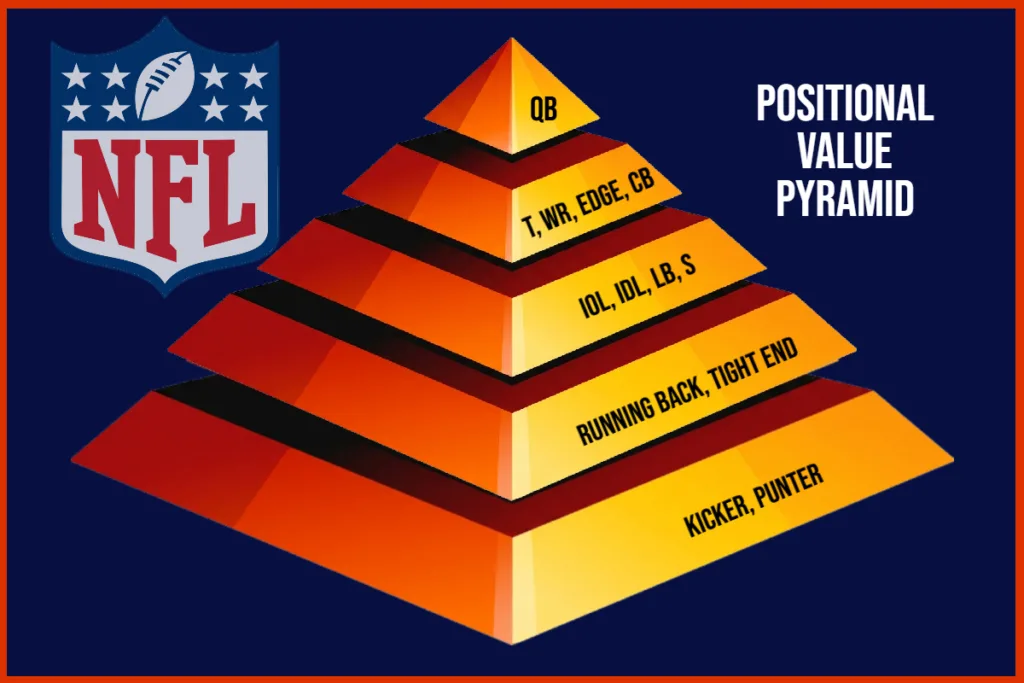
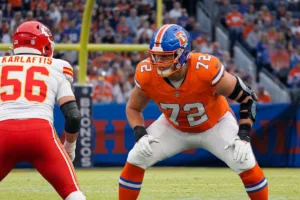
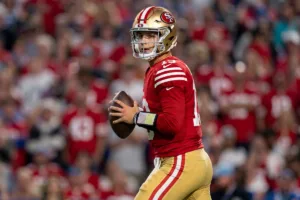
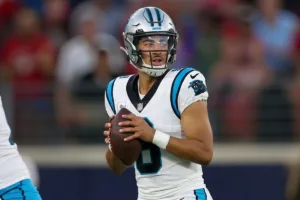
Players have a positional value based on their importance to the team and the ease or difficulty in replacing them. These positional groups are ranked in tiers, which form a pyramid. At the top is quarterback, and rightfully so. No other player on the field plays a bigger role, or even an equal role, in a team’s success. The next tier down are players who make a quarterback’s life easier on offense, or more difficult on defense (Tackle, Wide Receiver, Edge Rusher, Cornerback).
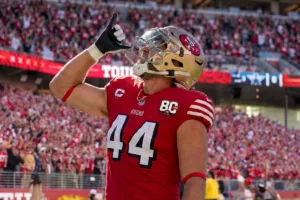
The third tier is comprised of players who contribute to the team’s success, but who make fewer impact plays during the game. Though there are some exceptions to the rule (Aaron Donald at defensive tackle is more valuable than any receiver), the four positions in this tier are interior defensive lineman, interior offensive lineman, linebacker, and safety. The second-to-last tier consists of running back and tight end, with the bottom tier being people who kick the ball (kickers and punters).
This pyramid is used in determining draft value and the size of contracts. Even though the rule is to never draft a running back in round one, it’s really that a team should not draft a running back unless they are already set at the nine positions in the three tiers ahead of running back. Draft projections on a player-to-player basis are considered as well, but that’s a bit of a rabbit hole.
The Atlanta Falcons Ignored The Pyramid With Their Bijan Robinson Extension
Drafted players are allowed to renegotiate their contracts after three years on the books, and undrafted players, two years, so Robinson was completely in the right to ask about a new deal. He has gotten better every year, and last year led all running backs in total yards (2,298). From a team perspective, the deal makes less sense. They still had him under team control for the next two seasons, and then had the option of franchise tagging him for two additional years.
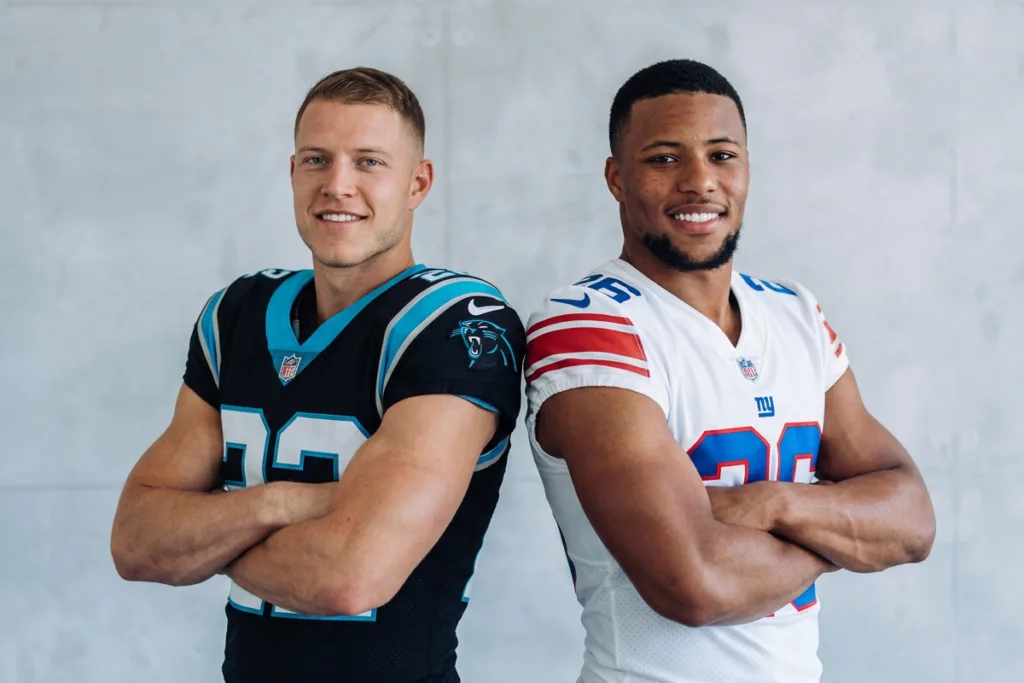
Previous running backs signed to extensions like this would be Saquon Barkley, Christian McCaffrey, and Nick Chubb. While the first two have won Offensive Player of the Year, they didn’t do it with the team that drafted them. Barkley played six seasons with the New York Giants (4 years on a rookie deal + team option + franchise tag). Over that duration, the team went 34-64-1.
McCaffrey signed a four-year, $64 million deal with the Carolina Panthers, then played 10 games total in two years, and was traded to the San Francisco 49ers. Chubb got a three-year deal worth $36 million with the Cleveland Browns. They went 8-9 and 7-10, respectively, in the first two years of the deal, followed by 11-6 in the third (when Chubb missed the whole season with an injury). Running back deals just don’t pan out in the long run (at least not since the mid-90’s).
The Falcons, who need help at quarterback, tackle, interior defensive line, edge rusher, and linebacker, have given the biggest contracts in NFL history for the running back position and the third-highest for the tight end position. It’s a bit of a backwards way to think. The only thing that could have been worse would have been signing their kicker and punter to huge deals before addressing their other needs.
Maybe it all works out in the end, and Bijan Robinson hoists the Lombardi trophy after the last game of the season. What’s more likely, though, is the team stinks in 2026, gets a rookie quarterback that needs two years to develop, Drake London leaves in free agency, and Robinson comes to the end of that big extension averaging 3.5 yards per carry. If they followed the pyramid, Atlanta would have traded Robinson for picks to address their other needs, instead of acquiescing to his demand for a new deal.