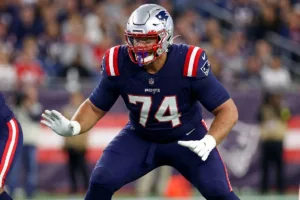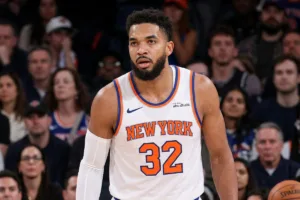
The Executive Director of the NBAPA, David Kelly, recently took shots at the NBA salary cap, urging the league to get rid of the second apron in its fiscal system. Unlike the NFL, which has a hard salary cap, the National Basketball Association uses a soft cap with a luxury tax and two penalty aprons. The Cap is set at $165 million, and teams pay a luxury tax if their payroll exceeds that.
At $209 million, teams are in the first apron, which, along with the tax, they are not allowed to use their mid-level exception, perform sign-and-trade deals, or sign waived players whose salaries exceed the mid-level exception. At $221.7 million, teams enter the second apron, and they can not include cash in trades, use previous season’s trade exceptions, or trade any draft picks that are seven or more years out.
Kelly says the second apron is not something the players wanted and should have fought hard against. He also expressed concern over the team-building aspect of the second apron, stating, “We’re seeing the apron system decimate teams and force decisions to be made that are not basketball decisions.”
The Real Problem

Kelly is right that the aprons need to go, but he’s wrong about why. The aprons aren’t affecting teams in a negative way; the ownership and front office of those teams are the ones making life hard on themselves. Teams will spend whatever the league allows them to. If the cap is 165 million, but they can spend up to $200 million, then teams will spend up to $200 million, not even trying to stay below the $165 million cap.
Currently, 27 of the 30 NBA teams are over the salary cap, 12 of them are over the luxury tax cap, seven are over the first apron, and two are over the second. The big reason is the massive contracts they give star players like Victor Wembanyama, but just below that is the contracts they give role players and bench players. Robert Williams averaged 6.7 points per game for the Portland Trailblazers last year, so they gave him a three-year deal worth $44 million ($14.7 million AAV).
The San Antonio Spurs are a perfect example of top-heavy spending that handcuffs the team. The top six players on their roster make $175.7 million per year. They are nearly $11 million over the cap, and still need nine players to fill out the roster. The Oklahoma City Thunder signed backup center Isaiah Hartenstein to a five-year, $134 million deal after he averaged nine points per game. That’s $27 million per year for a non-starter.
What’s happening is the teams that have salary cap space offer a big contract to a player, and the player’s current team has no space, but doesn’t want to lose the player, so they match the offer and go over the cap and into the aprons. Who can blame them? League rules allow it to happen, but they know the penalty for doing it. It’s hard to feel bad for a person who spends their whole paycheck on Friday and then cries about being broke the rest of the week.
The NBA Salary Cap Needs To Mimic The NFL
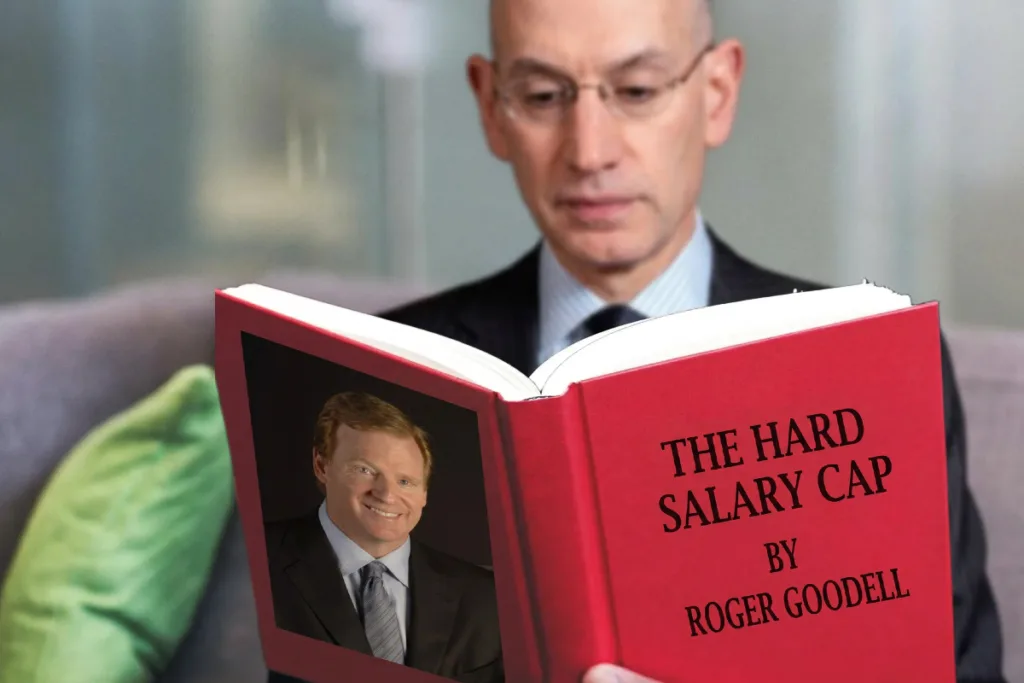
The NBA needs to switch to a hard cap and forget about all the shenanigans and situational penalties. They need to set the cap around $200 million, and say there is no way to go over it whatsoever. Teams who are already over the cap need to shed payroll, and the teams under it can scoop those players up. This is the best way for teams to create parity throughout the league.
Giving teams the ability to go over the cap in order to re-sign their own players needs to be outlawed. If they want to re-sign their own players, they need to be more fiscally responsible with the rest of the squad, and if it makes it so that team’s can’t have three All-Stars on their roster, then so be it. The argument against this is the same one MLB players will be making this winter.
It’s not about money, because there is still plenty of money to go around. The players will be mad at the fact that they can’t stack the roster they are on. Right now, even with penalties associated with the aprons, teams will do this to best of their ability. They’ll pay well into the second apron to have a super team, but then they and the players on the super team will whine about how unfair the apron is, and that they aren’t able to sign a fourth all-star due to the penalties.
It’s time the NBA grew up, like it’s football older brother, and adopted a system that actually works.