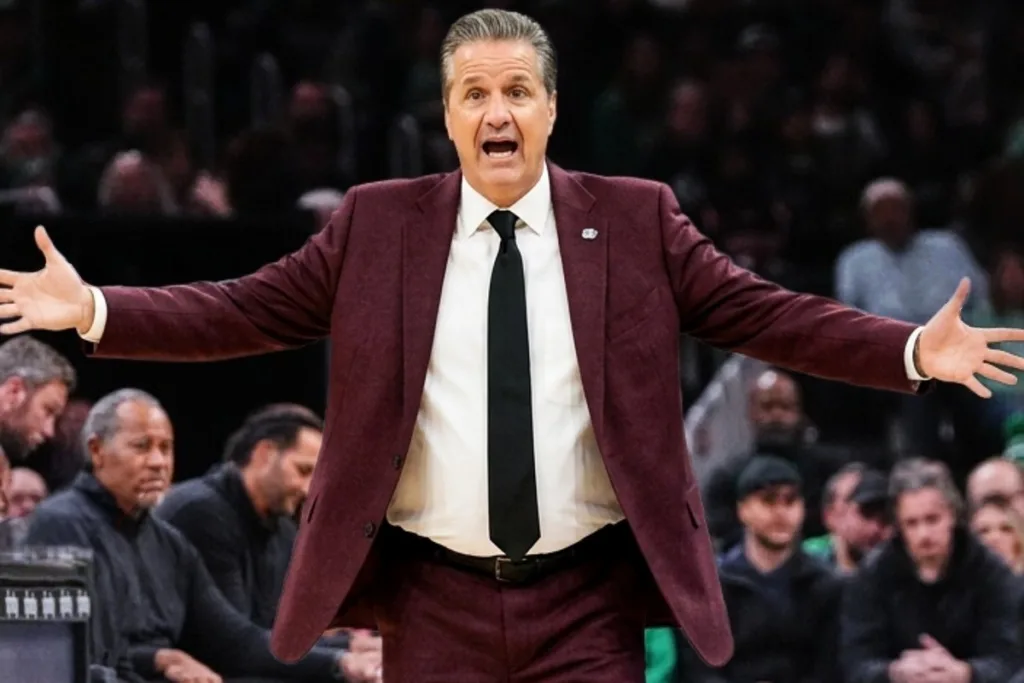
Fayetteville is officially the undisputed epicenter of college basketball recruiting once again, as John Calipari reloads the Razorbacks with an impressive incoming haul that sits comfortably at No. 1 nationally. It doesn’t get any better than landing consensus National High School Player of the Year Jordan Smith Jr. He is an electric, physically imposing lead guard who is built to dominate SEC play from day one.
Joining Smith Jr. is a terrifying array of top-tier talent, including explosive five-star wings JJ Andrews and Abdou Toure. Throw in reclassified prospects Davion Thompson and Caleb Ourigou to bolster the back end of the rotation, and the Razorbacks possess a level of star power that no other program in the country can match. On raw talent alone, Arkansas has assembled a roster capable of overwhelming any opponent on any given night.
How John Calipari Reloads The Razorbacks Roster: An Unmatched Assembly Of Star Power
The argument for this class being a generational unit starts with its sheer structural depth. Calipari did not simply land one marquee program-changer and surround him with developmental project players. He orchestrated a massive, comprehensive talent overhaul that addresses virtually every single positional need. In Smith Jr., Arkansas gets a true floor general who thrives under high-stakes pressure and possesses the court vision required to command an elite power-conference offense right out of the gate.
In Andrews and Toure, the Razorbacks welcome two college-ready wings with elite physical profiles, high-level scoring versatility, and defensive tenacity. Up front, Miikka Muurinen gives the program dynamic length and modern floor-spacing capabilities, while Thompson and Ourigou supply immediate rotational insurance. The sheer quality of depth ensures that opponent scouting reports cannot simply focus on neutralizing one individual superstar.
Paper Champions vs. On-Court Execution: Navigating The Shift From High School Hype To College Physicality
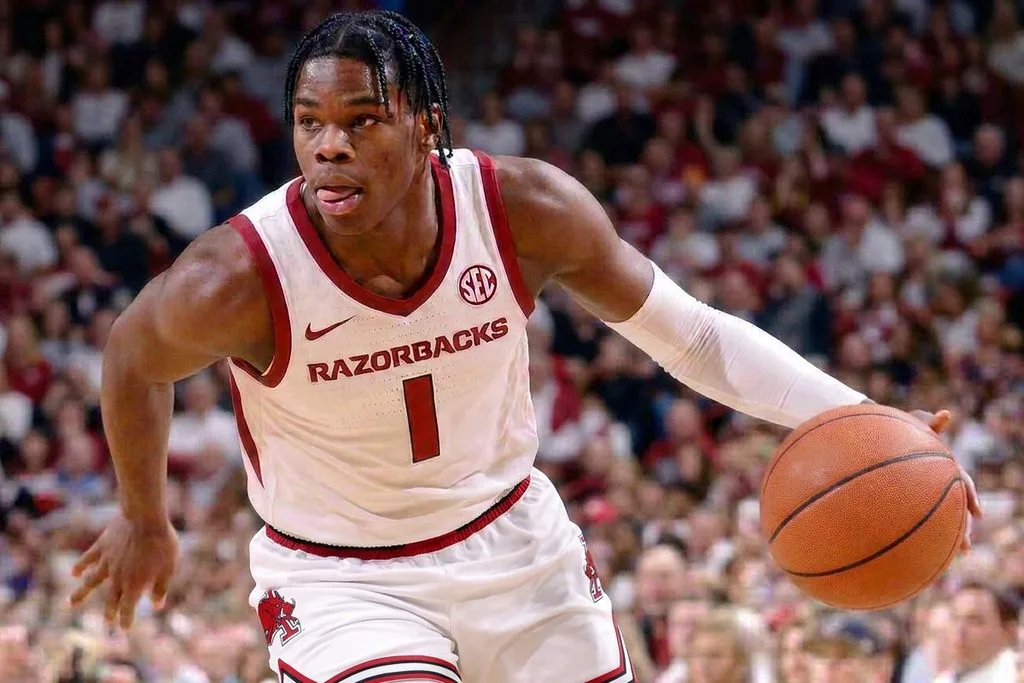
Despite all the fanfare surrounding this collection of talented players, a major debate looms over the historic collection of prospects. Is Arkansas actually bringing in the absolute best freshman class in college basketball, or are the Razorbacks merely holding the highest-rated group on paper?
Modern college basketball is no longer governed strictly by recruiting rankings or high school accolades. The arrival of the transfer portal and the extension of player eligibility across the country have transformed the sport into an older, much more physically grueling landscape. Eighteen-year-old phenoms are no longer just competing against fellow teenagers but are stepping onto the floor against 23-year-old fifth-year seniors who possess years of physical development and tactical execution.
Even Calipari has preached patience and temperance, warning eager observers that paper pedigree guarantees nothing once the lights turn on in November. Highly rated recruiting classes have faltered before when forced to adjust to the speed, relentless physical contact, and complex defensive scouting of power-conference play. Cohesion takes time, and turning these wildly talented individuals into a unified, defensive-minded machine is one of the hardest coaching tasks in sports.
If Smith Jr. commands the offense with poise and the defensive rotation gels quickly, Arkansas will justify every ounce of preseason hype. Until this freshman group proves it can handle battle-tested veterans in crunch time, their elite status remains a fascinating prospect rather than a proven reality.