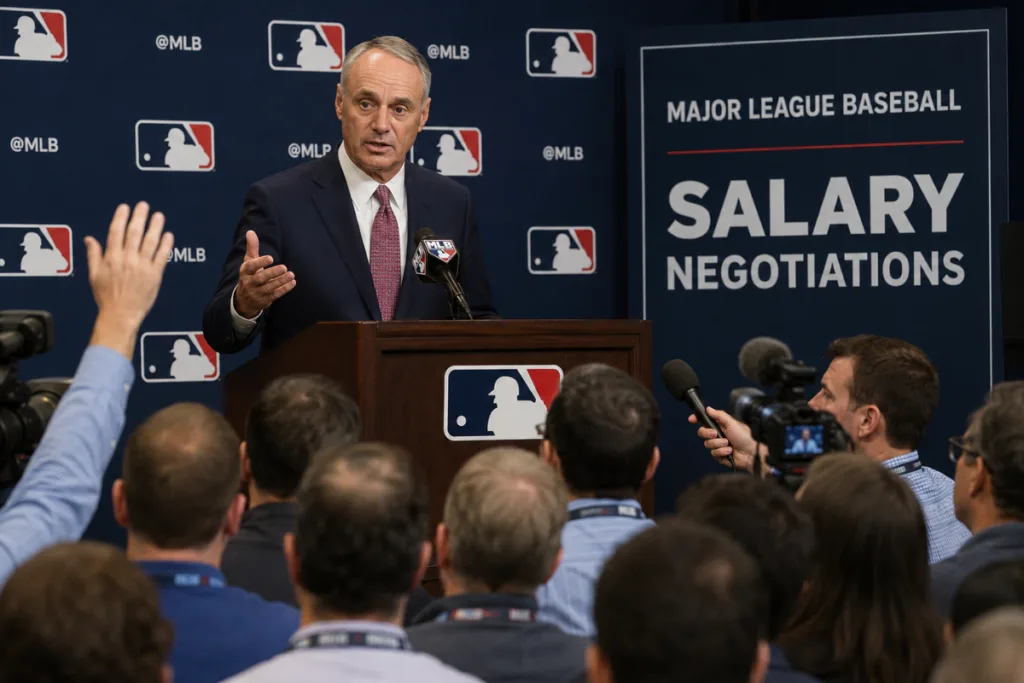
As the MLB regular season hits the home stretch, an ugly battle over the Collective Bargaining Agreement is only getting heated. Owners and the players’ union are drawing sides over a push for a salary cap in baseball, a fight that has gone on for decades and led to the premature end of the 1994 season. Most experts believe the slow progress in any talks will lead to the league’s second lockout in the last half-decade.
Only recently have owners begun to warm up to the idea of a salary floor, which entails a minimum benchmark for team spending. It’s an idea that’s been brought up before, and it might be the idea that saves the sport from another lengthy lockout. However, if the MLB wants the sport’s growth and momentum to continue as it reaches new heights, it might be time to settle for the floor and ditch a cap. It might also be wise for them to kill the idea of a salary cap forever.
An MLB Salary Floor Makes Owners Spend, And Brings Excitement Back To Fans
The current proposal from the owners introduces a $171.2 million salary floor and a $245.3 million salary cap for MLB teams. The players’ union obviously wants no salary cap, but they might not be opposed to a salary floor to make cheap owners spend and open a wider market.
As of Aug. 14, nearly half of all MLB teams have payrolls under the salary floor, ranging from $165 million to as low as $78 million. Some organizations, including the Athletics and the Colorado Rockies, are notoriously frugal and penny-pinching when it comes to player contracts. On the flip side, other teams like the Milwaukee Brewers and Tampa Bay Rays have mastered the art of low payroll but high efficiency.
A salary floor not only incentivizes teams to spend to fill their existing holes, but also to retain their homegrown talent for the future. Imagine if the Chicago White Sox could be incentivized to keep Munetaka Murakami for a future playoff run; Imagine if the Tampa Bay Rays could add someone like Tarik Skubal in free agency. The other aforementioned teams would also have to make serious investments and upgrades to become competitive.
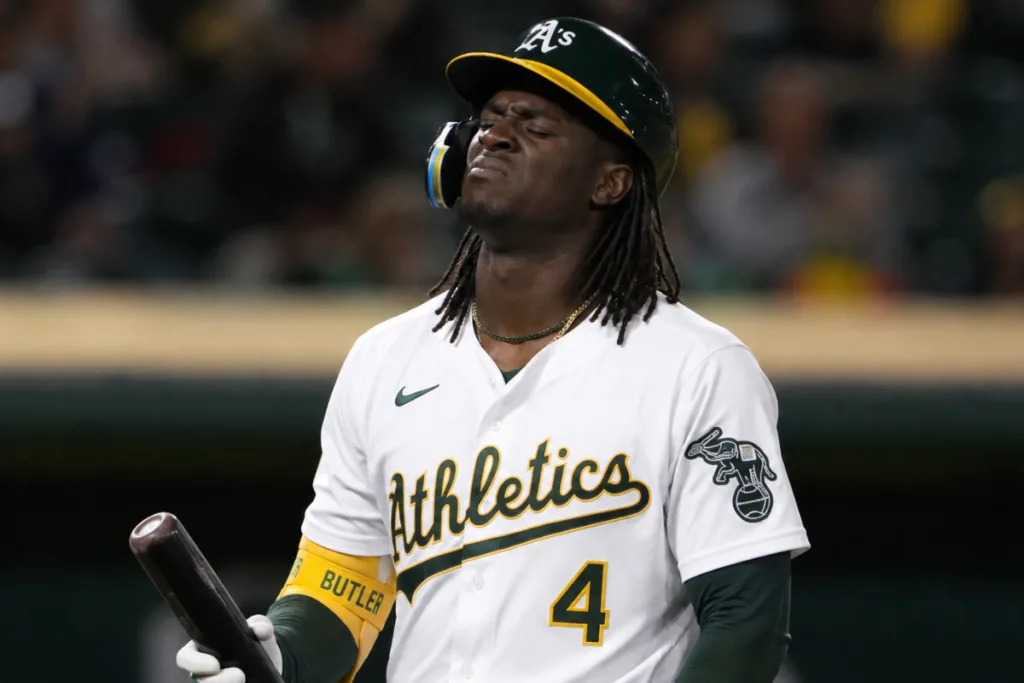
Fans of the affected teams would also have something to cheer for again, especially in sports-heavy cities like Pittsburgh, St. Louis, and Chicago. For a long time, especially with the Pittsburgh Pirates and Cincinnati Reds, fans have demanded that their respective owners spend or sell the team. With a floor, their hands will be forced, and they have to do one or the other.
There could also be a better fluctuation of playoff pictures year in and year out. Instead of the usual suspects every single year, one team that hasn’t been in a playoff game in decades could appear, while a long-time staple might be out. The salary floor roots out cheap owners, incentivizes big player contracts, and gives depressed fans hope again.
It’s Too Late To Impose A Salary Cap
Some fans want a salary cap, but the bad news is it’s not going to happen this time around. It’s not just a matter of the MLBPA not wanting it or the struggles that would ensue; it’s the matter of the game growing so fast that it can’t be implemented properly.
The sport is erupting at a monumental pace, with sponsorship revenue, ticket sales, and merchandising sales all increasing at a healthy rate. Attendance and TV viewership are also up, thanks to decreasing game durations and streaming deals for on-demand options. As of 2025, the sport is generating $12.5 billion in revenue and shows no signs of slowing down, especially with a new wave of superstar players.
That is the major problem: The game is growing so fast that a salary cap would be logistically impossible to implement right away, if not ever. The goal of a salary cap is to keep revenue and spending manageable, while giving teams parity that can’t keep up with other high-spending clubs. If revenue is growing at this rate and is expected to continue climbing as the reach expands, no wonder the MLBPA doesn’t want it.
It’s hard to say what the MLB does as the Dec. 1 deadline for a new deal nears, but it’s becoming a bit more likely that the new CBA won’t include a salary cap. If anything, there could be overhauls to the revenue-sharing system and how the draft works. Don’t expect a salary cap to come easily or be implemented without problems, if there is one.