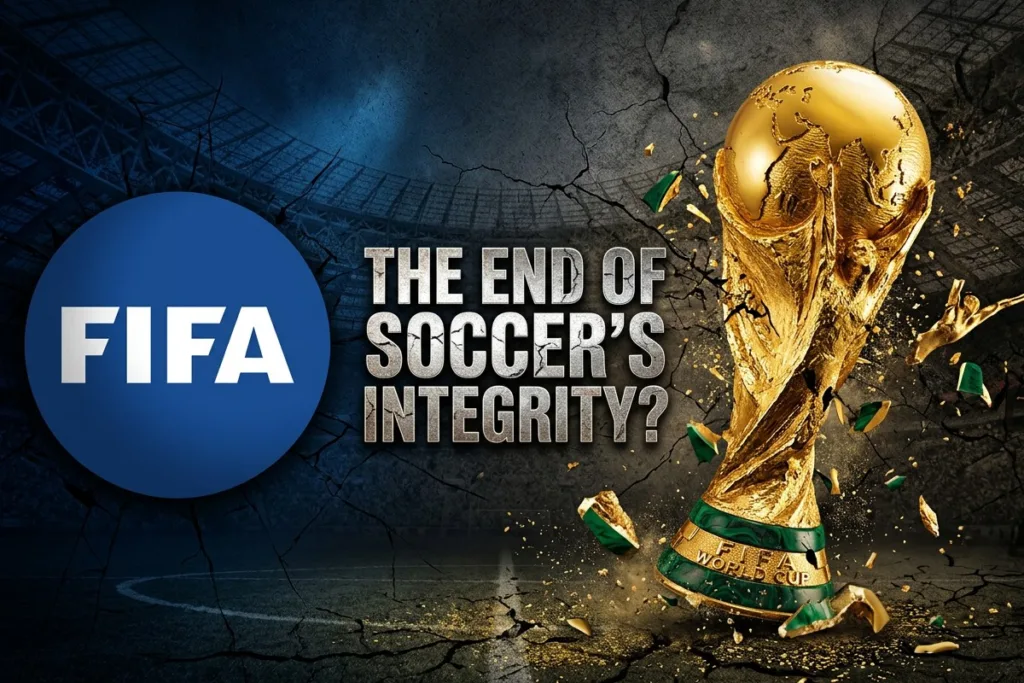
FIFA’s decision to overturn Folarin Balogun’s suspension has sparked outrage across the soccer world. The United States Men’s National Team could have benefited from the ruling in their Round of 16 match, but this situation was never in their control to begin with. In the end, USMNT didn’t benefit from the ruling as Balogun had no goals or assists. When FIFA chooses when to enforce discipline and when to bend it, they are clearly painting itself as the villain to the sport’s integrity.
USMNT’s Loss Doesn’t Erase FIFA’s Failure
To some soccer fans, karma may have come for the USMNT with their loss to Belgium. The irony of the great Balogun being available and USMNT still losing feels like justice. Belgium winning though doesn’t mean anything because of FIFA’s selective usage of Article 27. The soccer organization bends their own rules at-will allowing star players to avoid sitting in the timeout corner while everyone else gets sent to the principal’s office.
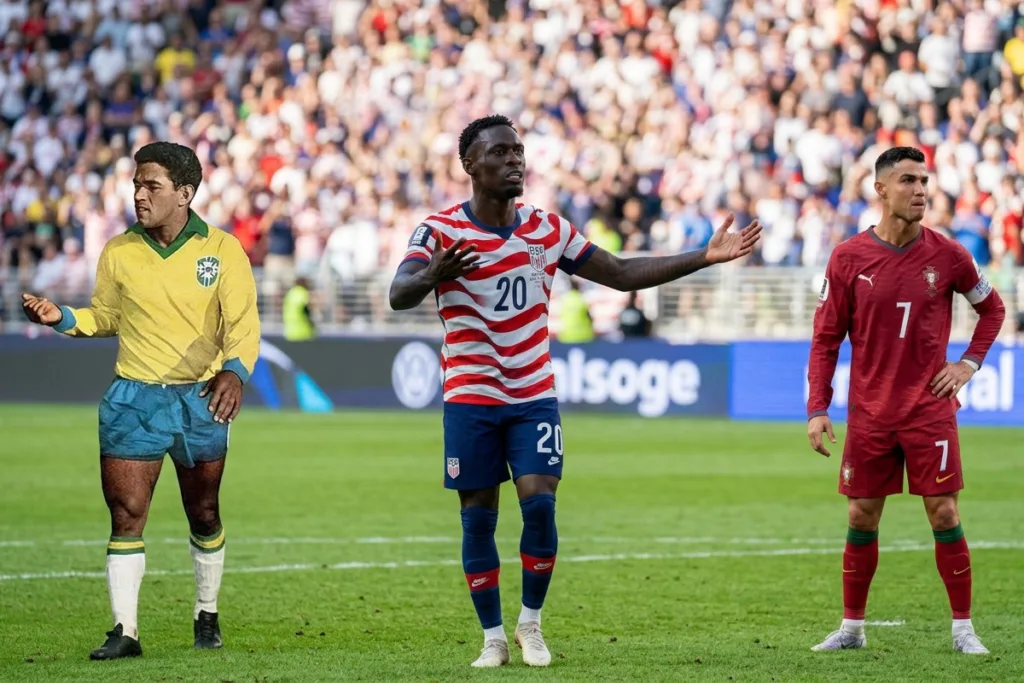
Long before Balogun, there was the legendary Brazilian winger Garrincha at the 1962 World Cup. After scoring twice in the semi-final, Garrincha was sent off for retaliating against a defender. A suspension for the World Cup Final seemed imminent, but instead, Garrincha got a slap on the wrist. FIFA let him off with a warning and ruled him clear for the World Cup Final.
Portuguese superstar Cristiano Ronaldo also received a token punishment earlier this year. Ronaldo received a red card during a World Cup qualifier for elbowing Ireland’s Dara O’Shea. The punishment for Ronaldo should’ve been a multi-match ban that included the World Cup opener. FIFA, however, looked the other way to no surprise. Article 27 was Ronaldo’s version of a get-out-of-jail card and cleared him for the DR Congo match. Just like Balogun, though, Ronaldo’s availability didn’t matter in the result of the game because he had no goals or assists.
Superstars Get Off Light, But What About Everyone Else?
What about everybody else though? As the World Cup continues, 17 players are at risk of suspension because they already have a yellow card. If those players receive another yellow card in the quarterfinals matches, they will not be eligible for the semifinals. They won’t be saved by a phone call from their country’s president or a surprise Article 27 ruling. The logic behind that, though, is ridiculous: they’re not global superstars. An average soccer fan won’t know the names of Achraf Hakimi, Jude Bellingham or Bilal El Khannouss. Yet their World Cup runs are in danger because they’re one mistimed tackle away from receiving a suspension while they saw Ronaldo and Balogun get second chances.
That’s where the real problem lies. Discipline in soccer is supposed to be universal. A yellow card in the group stage should carry the same weight whether it’s given to a future Hall of Famer or a backup midfielder. FIFA will say it’s applying the rules, but watching others get second chances isn’t a competitive balance. It’s a hierarchy where star players can say rules for thee but not for me.
FIFA can point to the rulebook all it wants, but the issue isn’t whether Article 27 exists; it’s how and when it’s used. The soccer organization has created a system where reputation can outweigh consequence. Whether it’s Balogun, Ronaldo, or legends from decades past, the message remains the same: some players are simply treated differently. The biggest threat to soccer isn’t a controversial card or an overturned goal, it’s a governing body that decides when its own rules actually matter.