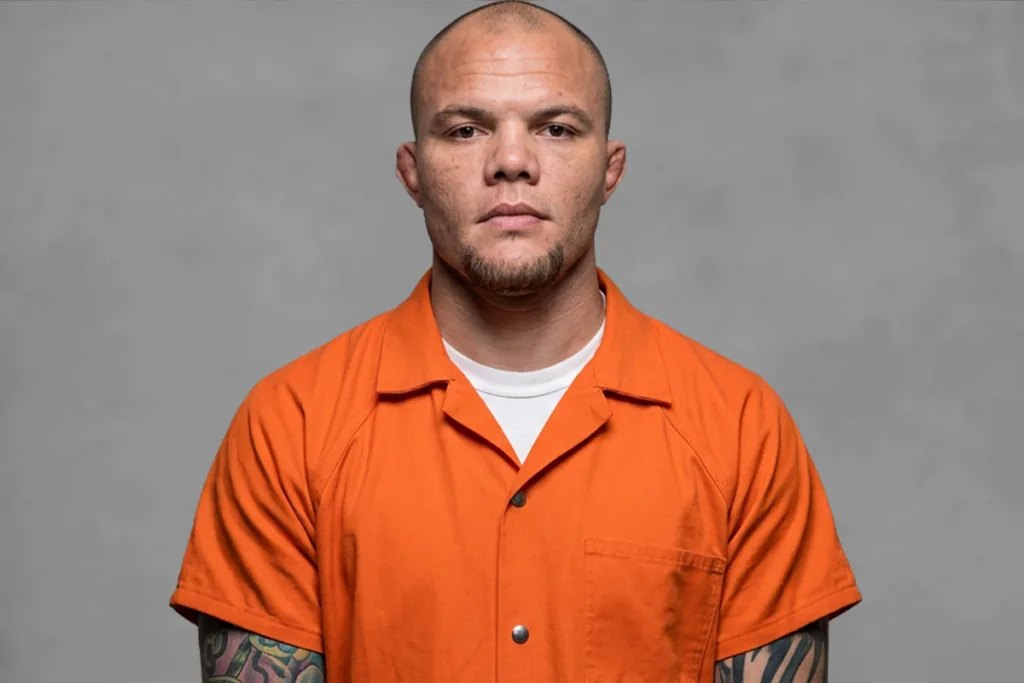
In late July, Anthony Smith was arrested for allegedly committing crimes against his wife. Those were domestic violence, false imprisonment, and criminal threats.
Following this legal issue, which emerged after Smith’s retirement in April, doubts were raised about whether the UFC should allow fighters who have committed crimes to continue having a place in combat sports. This behavior outside of MMA could reflect badly on the sport as a whole. How would allowing felons who are violent towards non-fighters look for the UFC?
Historically, the UFC has had a fighter conduct policy that regulates off-the-ring behavior, including criminal matters. The enforcement of these rules is shaky because the status of the fighter in question affects whether these conduct restrictions are used against them. For example, an obscure and new martial artist would be heavily affected by the policy, while a notable champion would have more wiggle room to violate rules.
This selective enforcement sets a pattern of inconsistent rulings for the UFC as a whole. It implies that athletes well known to the promotion can get away with exhibiting these kinds of acts while fighters new to the UFC are held to a higher standard. Smith’s situation, however, is unique in the sense that he does not fit into either category.
Anthony Smith Legal Case Is A Unique Issue Within This Context Because Of The Change He Made In His Affiliation With The UFC
Although Smith was an experienced fighter, well known to the world of MMA, the fact that his criminal behavior occurred while he was an analyst puts him in a more dubious light than if he were to remain a career athlete within the UFC. In light of such an issue, the promotion has devoted little attention to it, suggesting yet another double standard within itself.
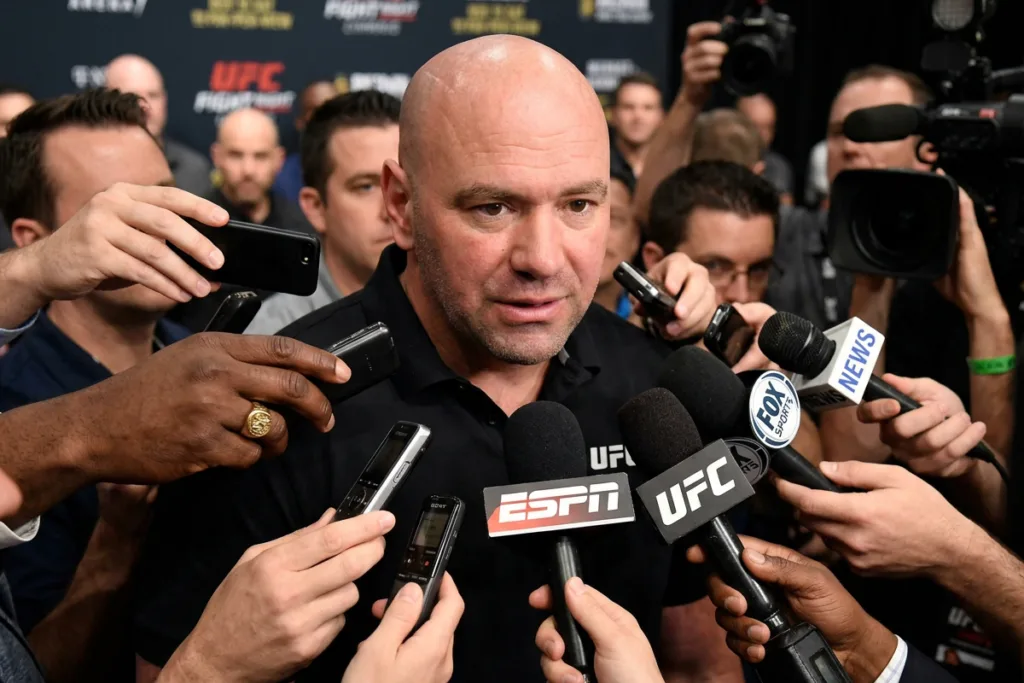
CEO Dana White has been somewhat sympathetic to Smith’s legal struggles, stating that he hopes it “works out for him and his family and his kids.” His sympathy appears to come from a place of insider knowledge in that he saw Smith as “one of those guys” and said, “you don’t expect to see that happen.”
White’s reaction shows an expected restraint for those in the UFC, as if they know the violent nature of the sport, while also refusing to bring that violence outside of the sport. This suggests a gap in how they handle their public image, as well as the lack of a reaction from others affiliated with them. The empty space here is that they do not appear to have a specific protocol for handling such news.
Similarly, Matt Brown, another former UFC fighter, defended Smith from fans who criticized him for his recent criminal actions. He argued that fans had no business judging Smith because they did not personally witness him breaking the law.
Analysts like Smith are governed by a separate policy within the UFC that does not appear to have explicit rules in place for such behavior. Therefore, perhaps it is time that the UFC adds rules to its policy that directly address that. Those who are already part of the UFC should also take measures to distance themselves from that sort of activity so that their image is not negatively affected, even if the activity is part of an ongoing legal case.