The National Football League faces a new dilemma centered on the quarterback position. Entering only week four of the regular season, there are an overwhelming number of NFL quarterback injuries. So far, seven teams are affected, as elite quarterback talents vanish from the field.
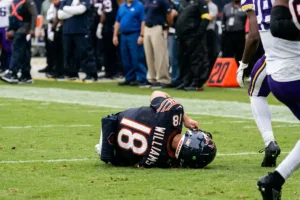
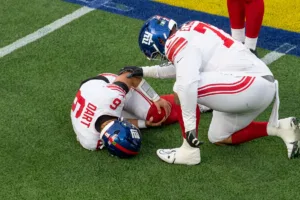
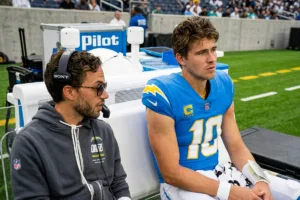
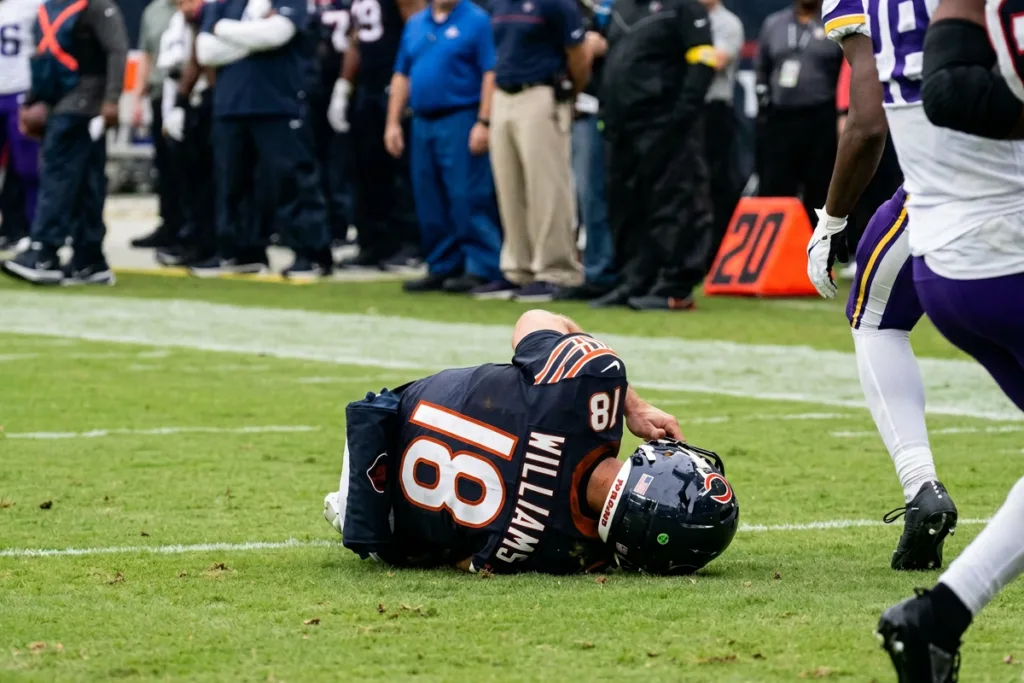
Passers including Jaxson Dart, Chase Williams, Jayden Daniels, Baker Mayfield, and more are landing on the sidelines as they recover. Injuries in football games are typical, and normally the position is played through the second-best player as the team carries on. When a quarterback is injured, the team instantly fears losing their chance of contending in a championship. In the current state of the NFL, nearly a quarter of NFL teams are putting faith in backup quarterbacks to save their 2026 season after game plans are upended.
The severity of these injuries stretches from season-ending to week-to-week. Dart’s MCL sprain will eliminate his availability for the remainder of the season. Meanwhile, the Chicago Bears’ quarterback will miss three to four weeks from his hamstring strain. Both organizations scramble for answers to lead the offenses after the second throwing options put on horrendous performances. Quarterback fractures have become a contagious disease for NFL rosters, and they’re only getting worse.
The Development of NFL Quarterback Injuries
The 2025 season began this trend by taking seventeen quarterbacks out of three games or more. Not including the heartbreaking loss of Bo Nix for the Denver Broncos being forced to miss the AFC Championship. With Mile High City feeling the vacancy at quarterback, they never stood a chance to compete at their best against the New England Patriots for a path to the Super Bowl. The absence of primetime throwing abilities felt stronger than ever last season, and this season will be its continuation. Losing an offense’s captain kills a team’s vision of a winning record. Applying their hopes of winning to a passing option incapable of replicating the chemistry or knowledge of the starter.
At this rate of injured quarterbacks for the 2026 season, the league will surpass last year’s numbers by week five. Adam Schefter reports that through week three, the league has experienced the most quarterback injuries since 2019. NFL teams balance their rosters around a starting quarterback, whom they picture will bring them to winning a championship. Once that starting quarterback misses a couple of games, Super Bowl hopes dissipate. The league’s solution is to focus on recruiting a decent replacement passer while they have a number one quarterback.
How does a team build a Quarterback Room?
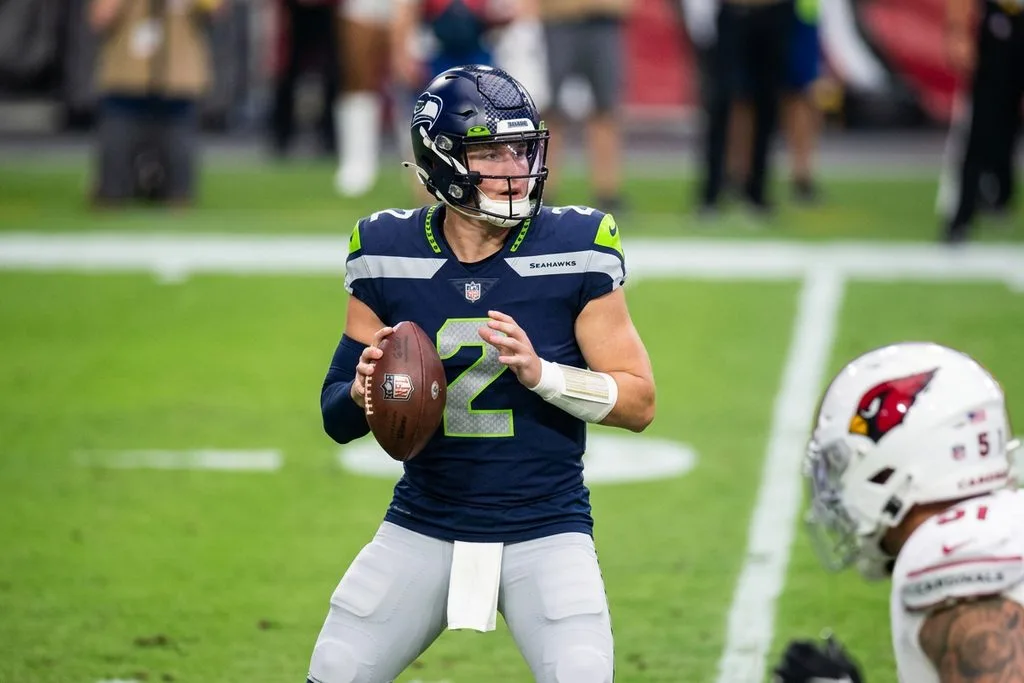
While the NFL brainstorms how to prevent quarterback injuries, teams can quickly work on having better throwing options. Future locker rooms will have two or three capable offensive leaders to counter the unpredictability of a hurt passer. A team with more quarterbacks who can start and produce can save potential championship teams.
Expanding on what more than one starting quarterback on a team could look like, incorporating a potential pitch-count style usage could evolve offensive playbooks. Similar to how control is shared amongst passers in a pre-season game, different throwing options would alternate each quarter.
The substitutions can take place when a change of pace is needed, or a team has a comfortable lead. NFL games could see a future with strategies utilizing up to four different quarterbacks. A capable backup QB allows for never-before-seen game tactics, including a duo quarterback formation. The pitch-count strategy is simply an idea stemming from the countless playbook possibilities of having a confident quarterback room.
The Future of Building an NFL Roster
Offseason signings and drafting game plans will look completely different to improve the backup quarterback position. Teams that already own superior passing athletes will plan on acquiring young or veteran athletes to share the offensive leadership responsibilities. Making the replacement passer more important throughout the season will also avoid rushing injury recovery time. Quarterback contracts will be altered eventually, and compensation, along with agreement length, will narrow down due to the playing time reduction. NFL organizations will feel new pressure on selecting quarterbacks. Rather than relying on a single team leader’s health, teams can compete a full season confidently.