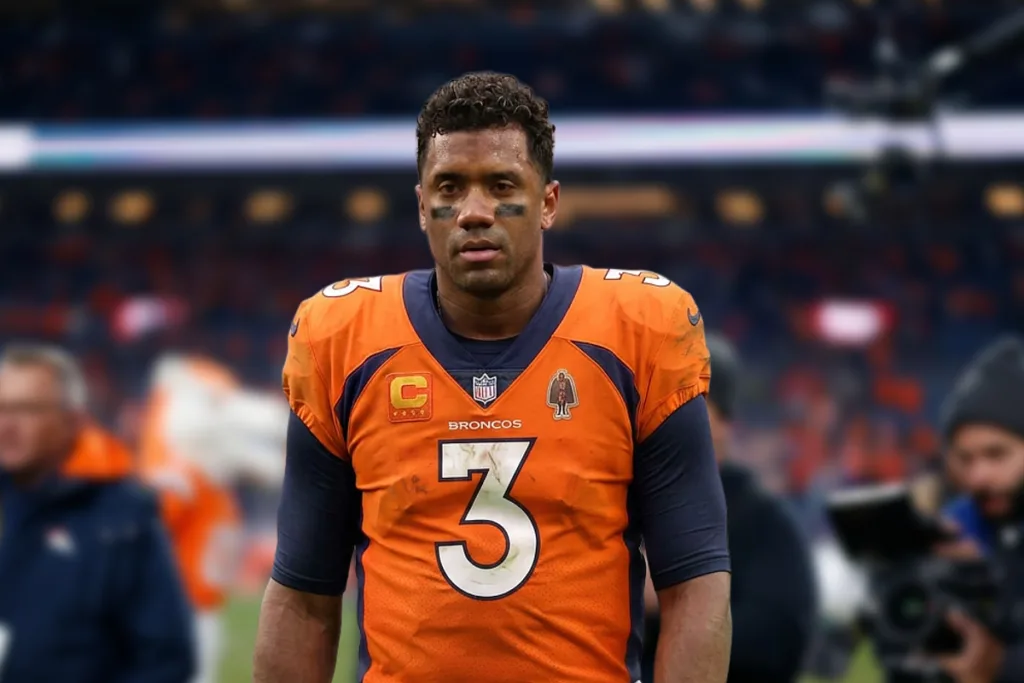
Russell Wilson recently announced his retirement from the NFL after a 14-year career and will now join CBS to pursue a new profession in sports media. Looking back at his legacy, he’s had many great moments. Such as helping lead the Seahawks to two Super Bowl appearances and won one of them.
From making miracles in the pocket and throwing some of the best moon balls to guys like Doug Baldwin and Tyler Lockett, Wilson isn’t new to changing the landscape of the NFL with his play. After his release from the Denver Broncos in 2024, however, Wilson may have impacted the NFL in another way.
The former third-round pick also had many not-so-great moments in his career, including the infamous one-yard line interception to Malcolm Butler in SB 49. Still, his release by the Broncos on March 13, 2024, which set an NFL record at the time for $85 million in dead cap for Denver, may have had a bigger impact and potentially changed how teams view dead cap.
The Broncos And Russell Wilson’s Release
In 2022, the Broncos went all-in on a trade for the Super Bowl champion, giving up two first-round picks, two second-round picks, and three players. They signed him to a five-year, $242 million deal.
The Broncos then cut Wilson after a disastrous and disappointing two seasons. At the time, the biggest dead cap hit in the NFL was $40 million when the Atlanta Falcons released star QB Matt Ryan. Wilson’s dead cap hit was double the amount of Ryan’s, making the situation the Broncos were in unfathomable.
Fast-Forward to the present day, just two years after his release, the Broncos seem to be in one of the best spots in the NFL. Denver is finally clear of Wilson’s dead cap hit and fresh off an AFC Championship appearance and back-to-back playoff appearances. At the time, the Broncos were in what seemed like an impossible situation to recover from.
After the release of Wilson, Denver prepped for a long rebuild, but with the drafting of Bo Nix and the help of HC Sean Payton, the team had immediate success. The release of Wilson went from a terrible decision and an all-around failure for the organization to a brilliant decision and a needed step for success.
The Impact On The NFL
The Broncos’ success after releasing Wilson has been so impactful that other teams are now beginning to copy that strategy. The Miami Dolphins, two years after Wilson’s release, set a new NFL record in dead cap after cutting Tua Tagovailoa and incurring a $99 million penalty.
Tagovailoa signed with the Falcons, where the Dolphins will still be paying for the brunt of his contract this season. Similar to when the Broncos released Wilson, this move by the Dolphins seems to signal a shift into a full rebuild, and by biting the bullet early and eating all the dead cap now, it will help speed up that process.
If Miami can manage to capitalize on this situation and have immediate success. More teams will release players with massive dead cap hits to help accelerate their rebuilds, with the Wilson release signaling a new financial management strategy across the league.
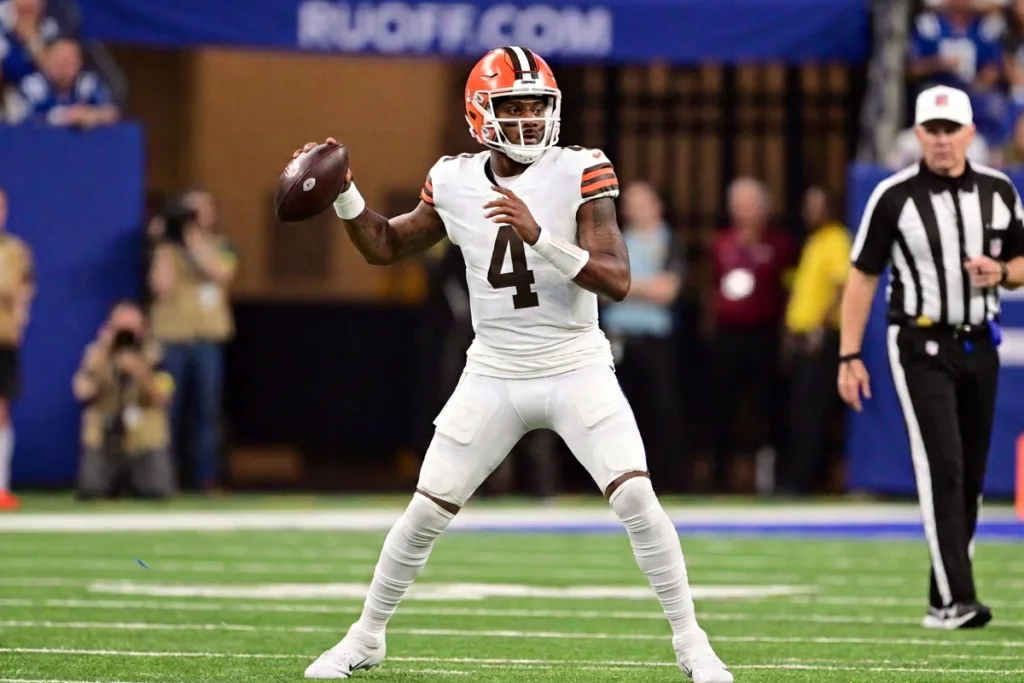
Another team that could try this strategy in the near future is the Cleveland Browns. They currently have Deshaun Watson, who, based on recent play and the current situation of the team, could be the league’s next big dead cap hit. Cleveland would incur an $86 million penalty in dead cap, similar to Wilson’s $85 million.
Around 10 years ago, the New Orleans Saints began a new financial strategy of manipulating the cap by spreading signing bonuses over additional seasons. They would restructure players’ deals, trying this tactic, which is now known as void years.
Although the Saints haven’t had much success with this strategy, many teams began adopting this financial scheme, most notably the Philadelphia Eagles. They have been successful in adopting this method, with more teams joining them over the years. With the NFL constantly changing every year and teams always finding different ways to gain an advantage, the dead cap financial strategy may be the next big change.