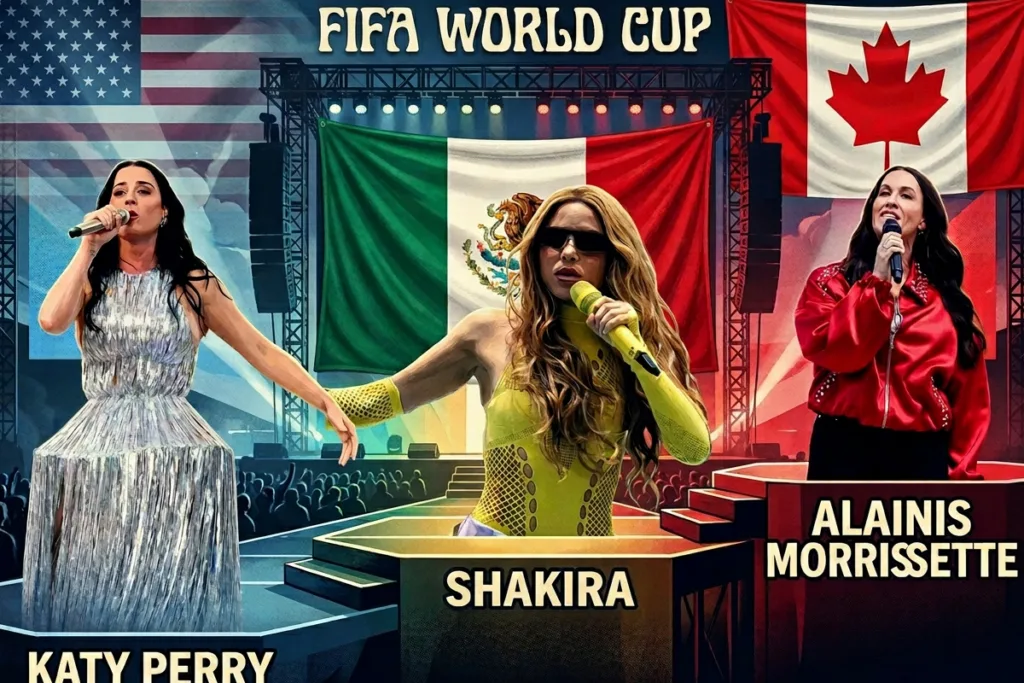
For nearly a century, the FIFA Men’s World Cup opening ceremony was a sacred moment to kick off the tournament. This year, FIFA implemented a major change for the competition by staging three separate opening ceremonies across Mexico City, Toronto, and Los Angeles. Dividing the opening ceremony between the three host nations, though, loses the theme of unity and now feels more like a concert series.
The World Cup Opening Ceremony Loses Its Identity
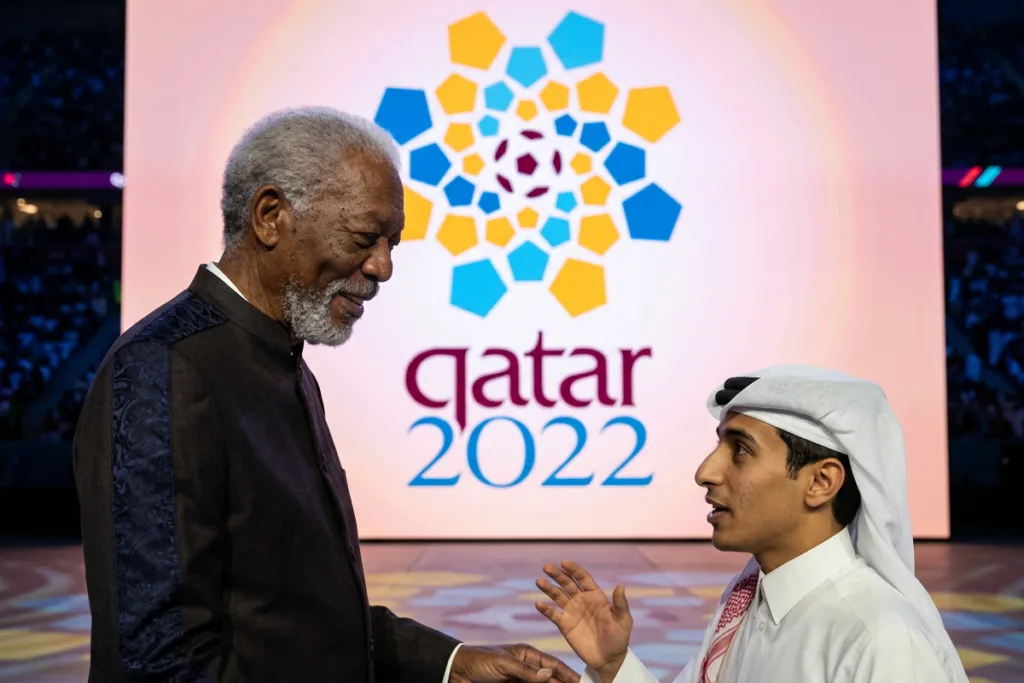
Part of the magic of a World Cup opening ceremony has always been its singularity and openness to inclusion. In 2014, Brazil had a giant soccer ball that unveiled singer Claudia Leitte, followed by a performance of “We Are One (Ole Ola)” featuring Claudia, Pitbull, and Jennifer Lopez. The 2022 opening ceremony in Al Khor, Qatar, featured a powerful conversation about coming together by Morgan Freeman and Ghanim Al-Muftah.
These ceremonies represent more than entertainment. They are a cultural statement to the world for the host nation to present its culture in a single moment. It created a sense of unity that mirrored the tournament itself: dozens of international teams coming together on one stage, competing for one trophy. Fans from all over the world come together to share their love for soccer by cheering for their country’s team.
Bigger Isn’t Better for Global Unity
FIFA’s decision isn’t entirely irrational, as it wanted to include multiple host nations equally, which is respectable. The 2026 tournament itself is the biggest World Cup to date, spanning three countries and expanding to 48 teams. From a logistical standpoint, spreading the spotlight may seem fair because it allows more people to attend the opening ceremonies. Fans also have more opportunities to watch an opening ceremony on TV if they can’t attend in person. This does work out better for the public, but FIFA has diluted what made the moment special.
Each host nation brings its own culture, energy, and global significance to the tournament. The three locations could have brought their own culture to the ceremony, thereby making it more memorable and inclusive. Instead, none of the ceremonies truly carry the full weight of the global stage.
The inclusion of well-known artists like Shakira, J Balvin, Alessia Cara, and Katy Perry showcases the musical talent each nation has, but it reinforces the division. By having the ceremonies feature artists who were born in or closely tied to each host nation, the theme of unity that defines the opening ceremony is replaced with separation. Each host nation gets an artist who resonates more with those fans rather than a chance to feature an artist from a different part of the world.
This change comes on the heels of the 2026 Winter Olympics, where the opening ceremonies were held in two locations. The primary event was held at San Siro Stadium in Milan, and a simultaneous celebration was taking place in Cortina’s Piazza Dibona. Another major change that happened at the 2026 Olympics was two cauldrons being lit at the same time. Just like the World Cup opening ceremony, the Olympic flame has always symbolized unity and a shared global experience. Splitting that moment across two locations may have broadened its reach, but it also altered its meaning.
The 2026 World Cup will undoubtedly be historic for many reasons, including its expanded format. FIFA expanding the scope of the opening ceremony, though, makes it less of an actual unified ceremony and more like three separate concerts.