Recently, it was announced that eight of the first NBA teams will wear new jerseys for the duration of the current season. This NBA and Nike collab includes, but is not limited to, the Lakers, the Celtics, the 76ers, and the Atlanta Hawks.
Each uniform is unique in the sense that it draws inspiration from fan culture, city heritage, and team history. They were designed specifically for the earliest teams in the NBA, which date back to the mid-to-late 1940s.
This decision is problematic, though. Historically, this kind of collaboration regarding uniforms has received backlash from both fans and players alike. It has also carried a risk of alienating fans who are more purist and traditional as opposed to newer and younger fans.
For example, back when Adidas partnered with the NBA, players wore T-shirt-like jerseys to bridge the gap between jerseys and general sports clothing. The appearance of the jerseys was unpopular with fans. The players themselves disliked wearing them because they noticed it made shooting harder for them. Because of this lack of popularity on two fronts, fans and players might see this new Nike collaboration as problematic for similar purposes, such as deviating too much from traditional uniform appearances.
Similarly, the more general practice of NBA jerseys having logos of their sponsors on them made fans divided. Some argued that it made the bond between fans and their team unimportant. Other fans sympathized with this practice, arguing that it is far from unheard of in sports, such as international soccer.
The Recent NBA and Nike Uniform Collab is Part of A Controversial Pattern
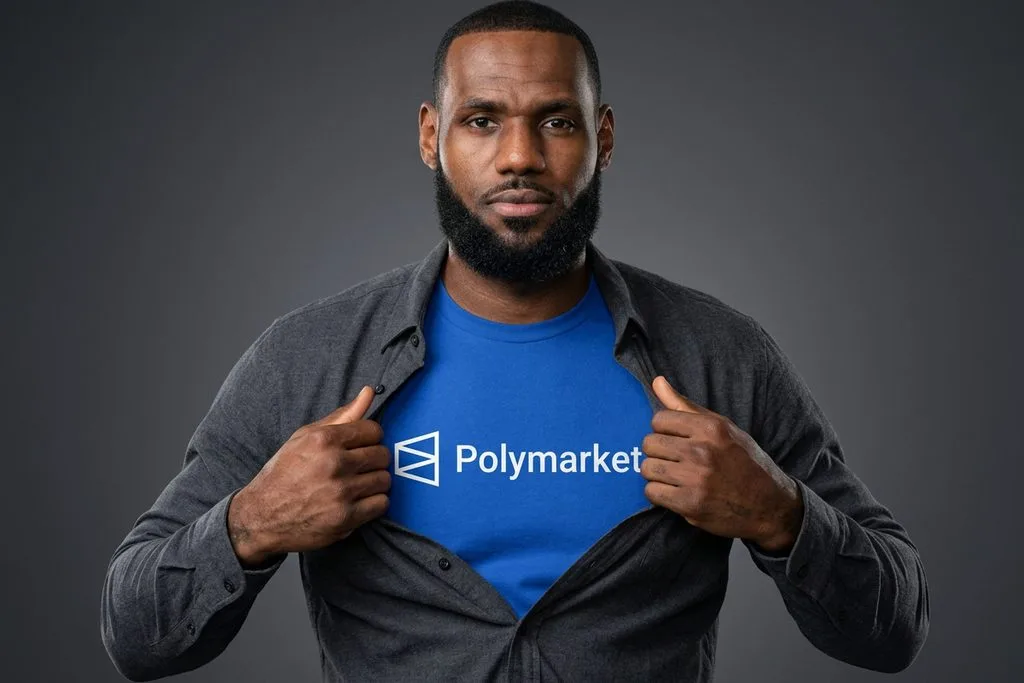
One recent controversial collaboration was more player focused than team-focused. When LeBron James announced his partnership with Polymarket, a betting and prediction platform, fans criticized this action on X, stating that it made him hypocritical to promote sports betting and gambling while also being a global role model. Others defended this move. To them, it would have been unavoidable and forward-thinking, especially because he made this partnership during the “Player Empowerment” era.
This is controversial not only because of what James promoted, but also because of the reaction his partnership got from fans. The fans, in the grand scheme of things, do not have much of a leg to stand on. Their opinions would likely not do much to persuade James to drop the partnership. Perhaps if enough of them criticized King James for doing this, he could very well drop the partnership.
This is not the only case of a person or group within the NBA branching out and seeking to attract a somewhat different audience.
Some decades ago, New Jersey decided to rebrand its logo and change their team’s name to the “New Jersey Swamp Dragons”, partially drawing inspiration from the marshlands in New Jersey. It nearly became a success but was scrapped at the last minute when a co-owner of the Nets voted against it. Last month, the Brooklyn Nets decided to bring back this old design, dividing fans into camps once again.
Critics of this movement felt that it was a celebration of a low point in the franchise’s history and a holdover from a time when they were a laughingstock in the NBA. It also alienated fans in Brooklyn, who felt far removed from the origin of the team’s name. Supporters, on the other hand, argued that it highlighted a piece of NBA history and that the move itself was fun and self-aware.
The case for leaving it in the past is rather strong, especially because the Nets are no longer based in New Jersey and it is already a reference to a time when the Nets were in a bad place. Such an action would be seen as unhinged, especially because the current Brooklyn logo looks nothing like a dragon and does not have animals of any kind.
Ultimately, NBA teams should not outwardly deviate from tradition or become openly affiliated with companies that are not affiliated with basketball because of how it could damage the bond between fanbase and team. Historically, that would be a bad decision given that the NBA often attracts basketball purists who will always object to this kind of deviation from the sport. Such decisions also have the potential to be unpopular with both players and fans, as was the case with the Adidas collaboration.